Curly Hair Cuts
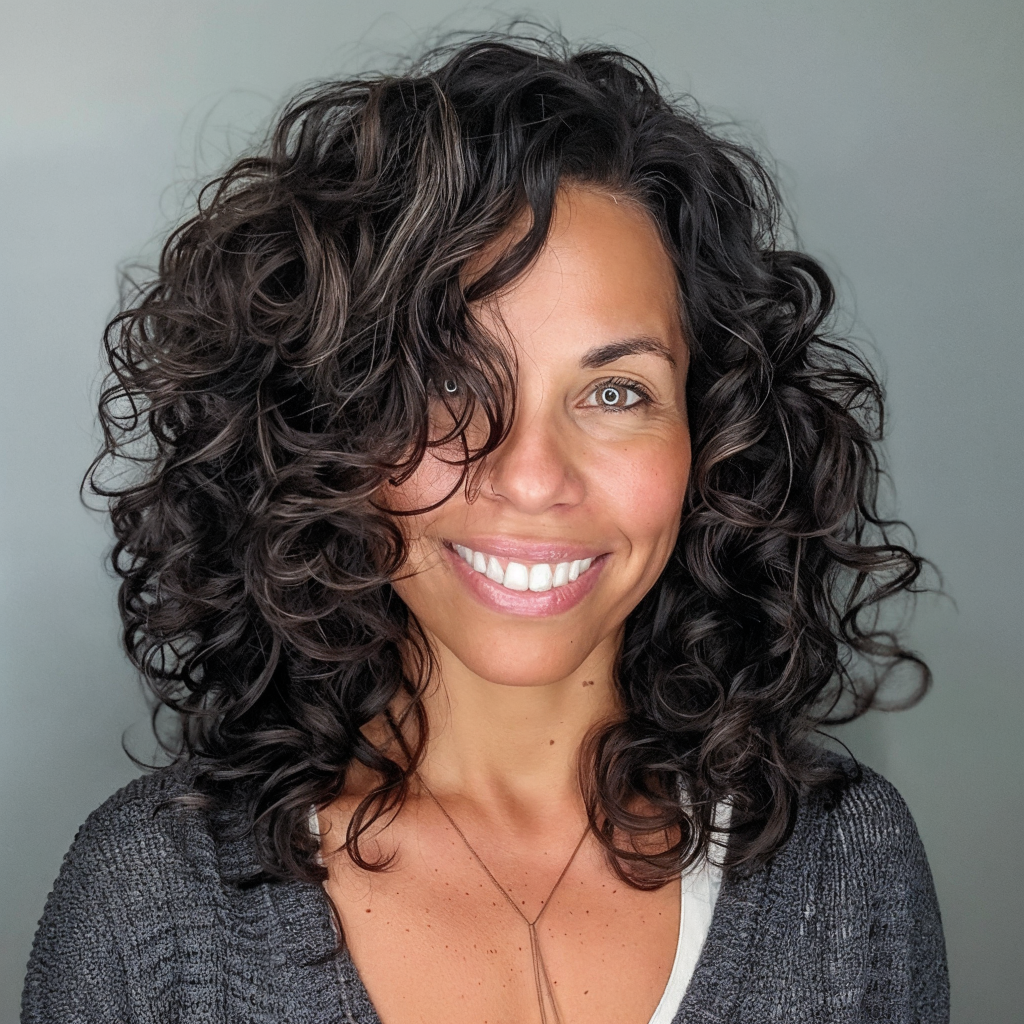
curly hair cuts - are one of the most misunderstood services in the salon world. If you have natural curls, waves, or coils, you have probably heard at least a dozen pieces of "advice" about how your hair should be cut, styled, and maintained. Much of that advice is outdated, misleading, or simply wrong. The truth is that curls require a specialized approach, and the myths surrounding them cause countless people to end up with shapeless, frizzy, or overly short results. Let's clear the air by debunking the most common myths about cutting and styling textured hair, so you can walk into your next appointment informed and confident.
Table of Contents
Myth: Curly Hair Should Always Be Cut Wet
Fact: While many stylists default to cutting curls in a wet state, this is not always the best method. Wet curls shrink dramatically as they dry, which means a cut that looks precise in the chair can end up uneven once the hair dries and springs up. Many curl specialists now prefer dry cutting, which allows them to see the natural pattern, shape, and volume of the hair as it actually lives. Dry cutting lets the stylist carve shape into each curl cluster and account for shrinkage in real time. That said, some techniques blend wet and dry cutting depending on the texture and the desired result. The key takeaway is that there is no single correct method; a skilled stylist chooses the approach that suits your specific curl pattern. If you are transitioning from a shorter style, a hair cut for medium length can be shaped either way, but dry cutting often gives more predictable results for wavy and curly textures.
Myth: Cutting Curls Makes Them Grow Back Thicker
Fact: Cutting hair does not change the thickness of individual strands or the density of your follicles. What trimming does do is remove split ends and damaged, tapered tips, which can make the remaining hair feel healthier and appear fuller. When you browse through galleries of ladies latest hair cuts, you will notice that the most flattering curly styles rely on healthy, well-shaped ends rather than sheer volume from the roots. Regular trims every eight to twelve weeks help maintain the integrity of the curl pattern and prevent split ends from traveling up the strand. So while a cut will not magically multiply your hair, it will make your curls look denser and more defined because the ends are blunt, clean, and healthy.
Myth: You Should Never Use Layers on Curly Hair
Fact: Layers are actually one of the most powerful tools for shaping curly hair, but they must be placed thoughtfully. Poorly executed layers can create a pyramid effect or leave gaps in the curl pattern. However, well-placed layers remove excess weight, encourage curl formation, and give the hair movement and bounce. Curl specialists often use a combination of surface layering, internal layering, and point cutting to build shape without sacrificing length. The trick is to cut layers that follow the natural fall of the curls rather than fighting against them. When done correctly, layers can transform a heavy, triangular shape into a balanced, rounded silhouette that flatters the face.
Myth: Curly Hair Cuts Take Five Minutes
Fact: A proper curly cut is a meticulous, time-intensive process. Unlike straight hair, which can be cut in large sections with predictable results, curls must be cut section by section, curl by curl, often with the stylist evaluating the shape from multiple angles as the hair moves. A dedicated curl cut can easily take sixty to ninety minutes or more, especially for first-time clients with long or dense hair. This investment of time is exactly why the results look so much better than a quick trim at a chain salon. The stylist is not just removing length; they are engineering a shape that works with your texture, growth pattern, and lifestyle.
Myth: Any Stylist Can Cut Curly Hair
Fact: Curly hair is structurally different from straight hair, and cutting it well requires specific training and experience. Many cosmetology programs devote very little time to textured hair, which is why so many curly-haired clients leave salons disappointed. A stylist who specializes in curls understands shrinkage, porosity, curl pattern classification, and the importance of cutting to enhance rather than fight the natural texture. Before booking an appointment, ask whether the stylist has dedicated curl training or certifications, and look for portfolios that feature clients with your texture. Choosing the right specialist is the single most important decision you can make for your curls.
Myth: You Need to Straighten Your Hair to Get a Good Trim
Fact: This is one of the most damaging myths in the curly community. Straightening hair before a cut forces the stylist to cut to a uniform length, which ignores the natural shrinkage and pattern of your curls. Once the hair reverts, the shape collapses and the layers no longer make sense. Cutting curls in their natural state allows the stylist to respect the spring factor and create a shape that looks intentional whether your hair is defined, stretched, or picked out. Your curls deserve to be cut as they are, not as a flattened version of themselves.

