Cutting Style For Long Hair
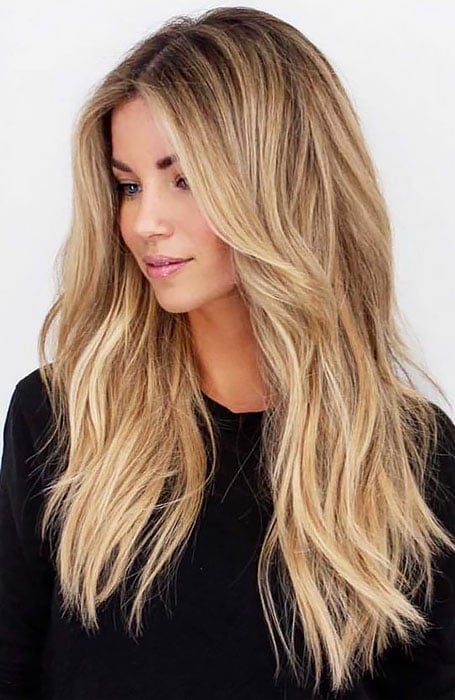
cutting style for long hair - is one of those searches that usually happens at a breaking point. You've had the same length for years, your ends look tired, your ponytail has lost its bounce, and every photo of a fresh chop makes you feel something between envy and panic. Long hair is a commitment, and changing its cutting style feels risky because one wrong snip can take months to grow out. But here's the truth most stylists will tell you privately: long hair doesn't need to be cut short to feel completely new. It needs a cutting style that works with its weight, its texture, and the way you actually wear it every day.
Table of Contents
The Problem: Long Hair That Stops Working for You
The frustrating part about long hair is how slowly it betrays you. It doesn't go bad overnight. First the ends get see-through. Then the shape collapses into a triangle by mid-afternoon. Then you notice you've been defaulting to the same claw clip for six months straight. A lot of people assume the only fix is a dramatic chop, but the real issue is usually that the cutting style never evolved as the hair grew. A cut designed for shoulder-length hair, left to grow for two years, becomes a heavy curtain with no movement and no shape. The hair itself is fine. The architecture of the cut is what failed. That's why so many people with gorgeous, healthy long hair still feel bored every time they look in the mirror.
The Struggle: Fear, Weight, and the "Just a Trim" Trap
Ask anyone with long hair why they haven't changed their cut and you'll hear the same three things. The first is fear: fear that a stylist will get scissor-happy and turn a requested two inches into six. The second is weight. Long hair is heavy, and heavy hair pulls flat at the crown while puffing out at the bottom, which is exactly the opposite of what most people want. The third is the "just a trim" trap, where you leave the salon with healthier ends but the exact same silhouette you were tired of. Meanwhile, the options feel confusing. Should you ask for layers? Face framing? A invisible trim? And if your texture is wavy or coily, the advice gets even murkier, which is why many people with curls end up researching a curly bob cut out of pure frustration even when they want to keep their length. The struggle isn't vanity. It's that long hair takes years to grow and about ninety seconds to ruin, so every decision carries weight.
The Solution: Cutting Styles That Transform Long Hair Without Sacrificing Length
The good news is that the most flattering cutting styles for long hair are built around removal of bulk, not removal of length. Long layers are the classic answer: by cutting shorter pieces throughout the top and middle sections, you lift weight off the crown so the hair stops dragging flat, and the ends get movement instead of hanging like a curtain. A face-framing cut is the other workhorse. Soft pieces that start around the cheekbone or chin break up the long vertical lines and draw attention to your features rather than the length itself. If you want something edgier, a long shag or a wolf cut keeps maximum length in the back while adding choppy, textured layers everywhere else, and it grows out beautifully because the shape is intentionally imperfect.
For anyone considering a bigger change, it helps to see how shorter shapes work before committing, and studying short style haircuts with bangs is a smart way to understand how face framing and fringe change a whole look. You don't have to copy them, but they teach you what proportion does for a face. The same logic applies in reverse: on long hair, a few well-placed shorter pieces around the face and crown do more than a totally new length ever could.
How to Ask for It at the Salon
- Bring photos of the shape, not just the length. Show where you want movement and where you want weight removed.
- Ask for "weight removal" and "internal layers" by name. These terms tell your stylist you want the bulk gone without losing inches.
- Request a dry cut if your hair is wavy or curly. Cutting it dry shows the true shape and prevents surprises after washing.
- Agree on a number before the first snip. Say "two inches, no more" out loud and confirm it back.
- Book a maintenance trim every ten to twelve weeks. Long hair stays healthy and shapely with small, regular cuts rather than one drastic reset.
Texture matters here too. Straight long hair benefits from long, blended layers that add subtle bends. Wavy hair thrives with point-cut ends that encourage the natural pattern. Curly and coily long hair needs shaping done in its dry, natural state, with layers carved to give the curls room to spring up instead of weighing each other down. Whatever your texture, the principle is identical: the right cutting style for long hair removes what's dragging you down and keeps what you love. You are not choosing between length and a great shape. With the right cut, you finally get both.


