French Bob Hairstyle
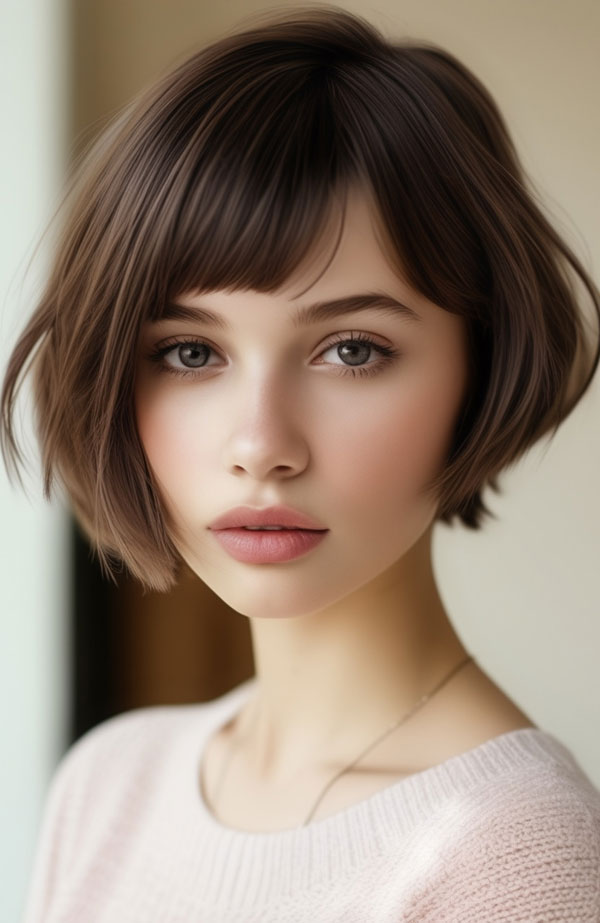
french bob hairstyle - is one of the most popular haircuts in the world right now, and the best part is that it works for almost everyone. If you have been scrolling through photos online and wondering whether this cut is right for you, you are in the right place. This guide explains everything in plain, simple language, so you can walk into a salon feeling confident instead of confused.
Table of Contents
Before we go further, let us clear up one thing: a bob is simply a haircut where the hair is cut somewhere around the jawline or chin, usually with no length falling past the shoulders. The "french" part refers to a specific style of bob that looks relaxed, slightly messy, and effortlessly chic. Think of it as the difference between a perfectly ironed shirt and a comfy sweater that still looks great. The french version is the comfy sweater. It often includes soft layers (different lengths of hair blended together), a bit of texture (waves or movement), and sometimes straight-across bangs (fringe). Many people pair this cut with other easy cute hairstyles when they want to switch things up for a party or a casual day out.
This cut has a long history in French culture, where women have worn short, natural-looking hair for decades. The idea behind it is simple: hair should look like it was styled in five minutes, not fifty. That low-effort feeling is exactly why it has become so popular again. If you enjoy braided looks too, you might also like these Gorgeous Fishtail Braid Hairstyles For Women for days when you want your hair out of your face. But for now, let us focus on the bob and break it down step by step.
What Is It?
A french bob hairstyle is a short haircut that usually ends right around the jawline or just above it. What makes it "french" is the attitude and the finish. It is cut with soft, blended layers so the hair does not look heavy or blocky. It often has a slightly undone texture, meaning it looks a little wavy or piecey rather than perfectly smooth. Many versions include bangs, which can be straight, curtain-style (parted in the middle), or wispy.
Here are the key features that define this look:
- Length: Usually between the chin and the jawline. Some versions sit slightly higher, near the cheekbone.
- Layers: Gentle layers that add movement and stop the hair from looking flat.
- Texture: A natural, slightly messy finish. Not stiff or over-styled.
- Bangs: Often included, but not always. They can be full, curtain, or soft and wispy.
- Shape: Rounded and soft, framing the face rather than sitting in a straight line.
One term you will hear is "face-framing." This simply means the hair around your face is cut to highlight your features, like your cheekbones or jaw. Another term is "texturizing," which means the stylist cuts small pieces at different lengths to create movement. Neither of these is complicated, and a good stylist will explain them to you before starting.
Why It Matters
Choosing a haircut is a big decision, and this one matters because it solves several common problems at once. First, it is low maintenance. You do not need to spend an hour with a curling iron every morning. A little texturizing spray or a quick scrunch with your hands is often enough. Second, it suits almost every face shape. Round faces get softness, long faces get width, and square faces get gentle curves that soften strong angles.
Third, it works with every hair type. Straight hair looks sleek and classic. Wavy hair gets a natural, beachy feel. Curly hair can be cut into a rounded shape that looks full and bouncy. Even fine, thin hair benefits, because layers create the illusion of volume. That is a big deal for anyone who feels their hair falls flat.
It also grows out gracefully. Unlike some dramatic cuts that look awkward after a few weeks, this style tends to keep its shape as it grows, which means fewer emergency salon visits. And finally, it is a confidence booster. A cut that frames your face and feels easy to manage can genuinely change how you feel when you look in the mirror.
How to Get Started
Getting this haircut is easier than you might think, but a little preparation helps a lot. Follow these beginner-friendly steps:
- Collect inspiration photos. Save three to five pictures of the exact look you want. Photos are far more useful than words because "short" means different things to different people.
- Note your hair type. Tell your stylist whether your hair is straight, wavy, curly, fine, or thick. This changes how the cut is done.
- Book a consultation. Many salons offer a free or low-cost chat before the actual appointment. Use it to ask questions and show your photos.
- Be honest about your routine. If you never style your hair, say so. Your stylist can cut in a way that works with your real life.
- Ask about bangs. Bangs grow fast and need trims every few weeks. Decide if you are ready for that commitment.
- Start slightly longer. If you are nervous, ask for a length just below the jaw. You can always go shorter next time.
- Learn two quick styling tricks. A texturizing spray and a sea salt spray are cheap and easy. Spray, scrunch, and go.
- Book a trim every six to eight weeks. Short hair keeps its shape best with regular maintenance.
One last tip: bring a photo of what you do not want too. It sounds silly, but it helps your stylist understand your taste. Communication is the secret to a haircut you love, and a good stylist will always welcome your questions.


