Hairstyles For Fine Hair
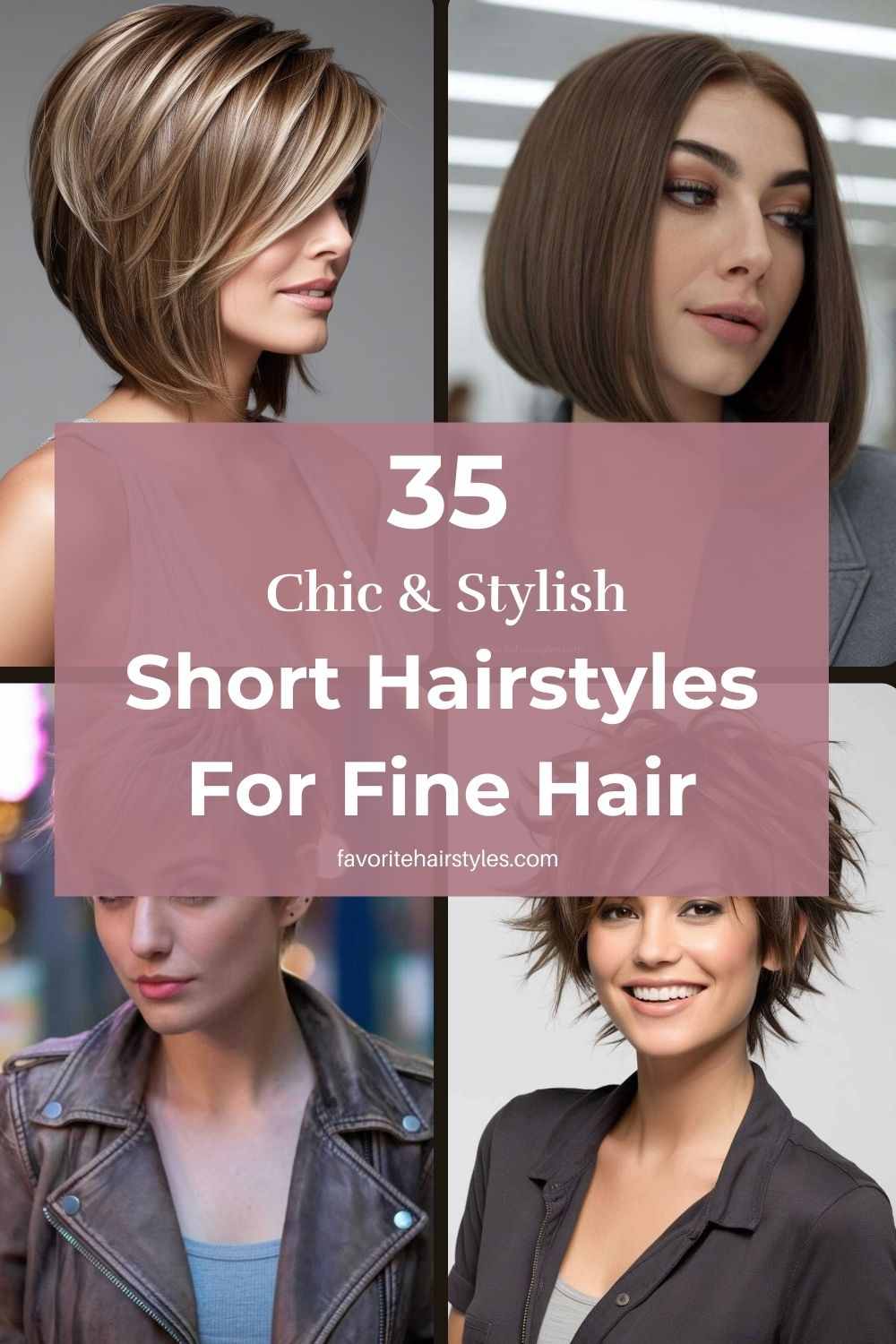
hairstyles for fine hair - If your hair is fine, you already know the struggle: styles that look full and bouncy on other people fall flat on you within an hour. The problem usually isn't your hair itself — it's that most advice ignores how fine hair actually behaves. Fine strands have a smaller diameter, which means they have less natural volume, lose shape faster, and show every bit of product buildup. But fine hair also has real advantages: it dries quickly, takes color and texture well, and can look incredibly polished when cut and styled correctly. This guide skips the fluff and gives you a straight list of what works, what backfires, and why.
Table of Contents
The single most important decision you'll make is your haircut. A blunt cut is your best friend because it creates the illusion of density — every strand ends at the same length, so the hemline looks thicker. Layers can work, but they need to be placed carefully and kept minimal, otherwise the ends thin out and the whole style looks stringy. Short bobs, collarbone-length cuts, and structured shapes consistently outperform long, heavily layered styles. If you're also shopping around for younger family members, some of the same principles apply to hairstyles for girls, where fine hair is just as common and just as manageable with the right cut.
Texture is your secret weapon. Adding wave or curl physically disrupts the smooth surface of fine hair, which makes it read as thicker and more substantial. You don't need tight ringlets — loose bends and beachy waves do the job. Heat styling works, but so does a simple braid left in overnight or a few velcro rollers at the crown. Many women find that a shorter, textured cut is the easiest route to volume, and the principles behind Modern Hairstyles For Mature Women often overlap with fine-hair strategy: clean shapes, smart layering, and styles that work with the hair rather than fighting it.
Product choice matters more for fine hair than for almost any other type. Heavy creams, oils, and thick masks weigh strands down and flatten them within minutes. Lightweight mousses, volumizing sprays, and dry texture sprays applied at the roots give lift without residue. Wash your hair regularly — fine hair shows oil fast, and greasy roots kill volume instantly. A volumizing shampoo and a conditioner applied only from mid-shaft to ends keeps the scalp clean and the lengths manageable. Blow-drying upside down or using a round brush at the root are basic techniques that genuinely work, and they cost nothing.
What You SHOULD Do
- Choose a blunt or minimally layered cut. A sharp, even hemline makes hair look denser. Save the heavy layering for thicker hair types.
- Keep length moderate. Shoulder length or shorter is the sweet spot. Long fine hair stretches under its own weight and looks thinner at the ends.
- Add texture deliberately. Waves, bends, and curls create the appearance of volume. Use a curling iron, rollers, or braids — whatever fits your routine.
- Use lightweight volumizing products. Mousse at the roots, texture spray mid-shaft. Apply less than you think you need and build up.
- Blow-dry for lift. Rough-dry upside down, then use a round brush to lift the roots. This is the highest-impact five minutes in your routine.
- Consider a root-lift or subtle color dimension. A slightly darker root and lighter ends creates depth that makes fine hair look fuller.
- Refresh between washes with dry shampoo. Clean roots equal instant volume, and fine hair benefits more from this than any other type.
- Ask your stylist for a cut that suits your density, not just your face shape. Those are two different conversations.
What You SHOULD NOT Do
- Don't load up on heavy products. Oils, butters, and thick leave-in creams coat fine strands and drag them down. If a product feels rich, it's probably wrong for you.
- Don't over-layer. Aggressive layering thins out the ends and creates that wispy, straggly look. Less is more, always.
- Don't grow it out indefinitely. Very long fine hair loses volume and shape. Regular trims keep the hemline thick and the style sharp.
- Don't skip trims to "save length." Split ends travel upward and make the whole cut look thinner. A trim every six to eight weeks is maintenance, not a setback.
- Don't apply conditioner to your roots. It weighs hair down and encourages oiliness. Mid-shaft to ends only.
- Don't use a flat iron on the whole head every day. Flat, sleek styling removes the exact texture that gives fine hair its volume.
- Don't brush wet hair aggressively. Fine strands break easily. Use a wide-tooth comb and be gentle.
- Don't copy styles designed for thick hair and expect them to translate. A style built on density needs density to work — adapt it or skip it.


