Hairstyles For Shoulder Length Hair
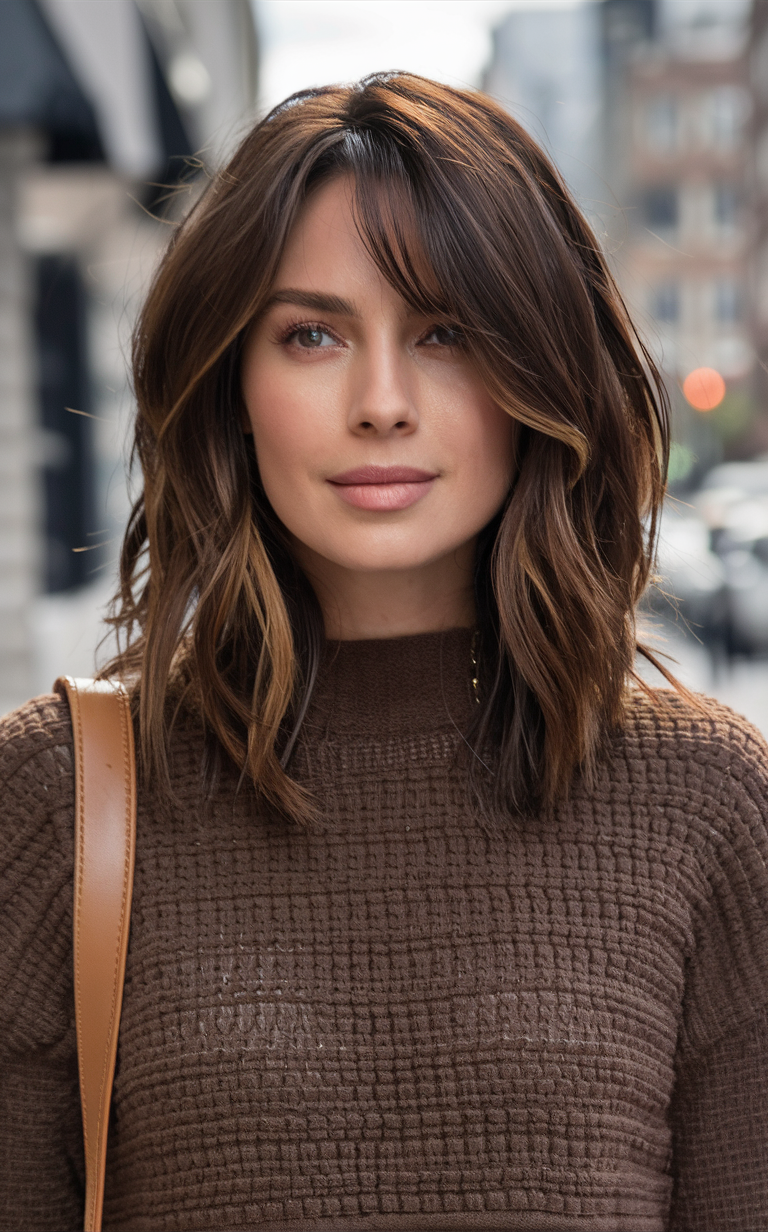
hairstyles for shoulder length hair - is one of the most searched topics online, and it makes perfect sense. Shoulder length hair sits right at that sweet spot between short and long, which means you have a huge amount of styling options without needing years of practice. Whether your hair is straight, wavy, curly, thick, or fine, there is a look out there that fits your daily routine. This guide is written for complete beginners, so we will keep every term simple and walk you through everything step by step.
Table of Contents
Before we go further, it helps to understand what "shoulder length" really means. In simple words, it is hair that falls somewhere between your chin and your collarbone. Because it is not too long and not too short, it is very forgiving. You can wear it down, tie it up, curl it, straighten it, or braid it without much effort. Many people also use this length as a starting point before trying shorter styles like pixie cut hairstyles, since it lets you test out shapes and layers first. The key is to pick styles that match your hair type and how much time you actually want to spend in front of the mirror.
What Is It?
When we talk about hairstyles for shoulder length hair, we mean any way of cutting, shaping, or arranging hair that reaches roughly your shoulders. This includes simple everyday looks, like a loose ponytail, and more polished ones, like soft waves or a half-up style. It also includes cuts such as layers, bangs, or a bob that sits just above the shoulder line. If you enjoy a bit more volume and movement, you might also like layered medium length hair, which is a close cousin of this length and works well for people growing their hair out.
Here are a few basic terms you will see everywhere, explained simply:
- Layers: Hair that is cut at different lengths so it moves and does not look flat.
- Bangs: Hair cut shorter at the front to frame your face (also called a fringe).
- Face-framing pieces: Short strands near your cheeks that soften your look.
- Texture: How your hair naturally feels and falls, such as straight, wavy, or curly.
- Half-up, half-down: A style where the top part is tied back and the rest hangs loose.
Why It Matters
Choosing the right style matters because the wrong one can make your hair look flat, frizzy, or hard to manage. Shoulder length hair is heavy enough to weigh down volume but short enough to frizz easily, so small choices make a big difference. A good cut and a simple routine can save you time every morning and help you feel more confident. It also protects your hair from damage, since styles that pull too tightly or use too much heat can cause breakage over time.
Another reason it matters is versatility. This length suits almost every face shape, from round to oval to square, as long as you adjust the details. For example, soft layers flatter round faces, while long side bangs work well for square jawlines. Once you understand a few basics, you can swap between looks for work, weekends, and special events without a trip to the salon.
How to Get Started
Starting out is easier than it looks. You do not need expensive tools or a drawer full of products. Begin with a few simple styles, practice them a couple of times, and build from there. Below are beginner-friendly tips to help you get comfortable.
- Know your hair type first. Straight hair holds sleek styles well, while wavy or curly hair loves looks that embrace its natural shape.
- Start with a loose ponytail or half-up style. These are the easiest to learn and work on almost any hair.
- Use a light hold product. A small amount of mousse or sea salt spray adds texture without making hair stiff.
- Try soft waves with a curling iron on low heat. Wrap small sections around the barrel, hold for a few seconds, and release.
- Add bangs or face-framing pieces if you want a quick change without losing length.
- Keep heat tools on a low setting and always use a heat protectant spray to prevent damage.
- Trim every 8 to 12 weeks to keep ends healthy and stop split ends from traveling up.
- Practice a simple braid. A loose side braid looks polished and takes only a few minutes once you learn it.
- Use a claw clip for quick updos. Twist your hair up, clip it, and pull out a few strands for a relaxed look.
- Sleep on a silk pillowcase to reduce frizz and keep your style lasting longer between washes.
Once you feel confident with these basics, you can experiment with accessories like headbands, scrunchies, and small clips. These are cheap, easy to find, and instantly change the mood of a style. You can also ask your stylist for a cut that works with your routine, rather than against it, so your hair looks good even on days you do nothing special.


