How To Style My Bob
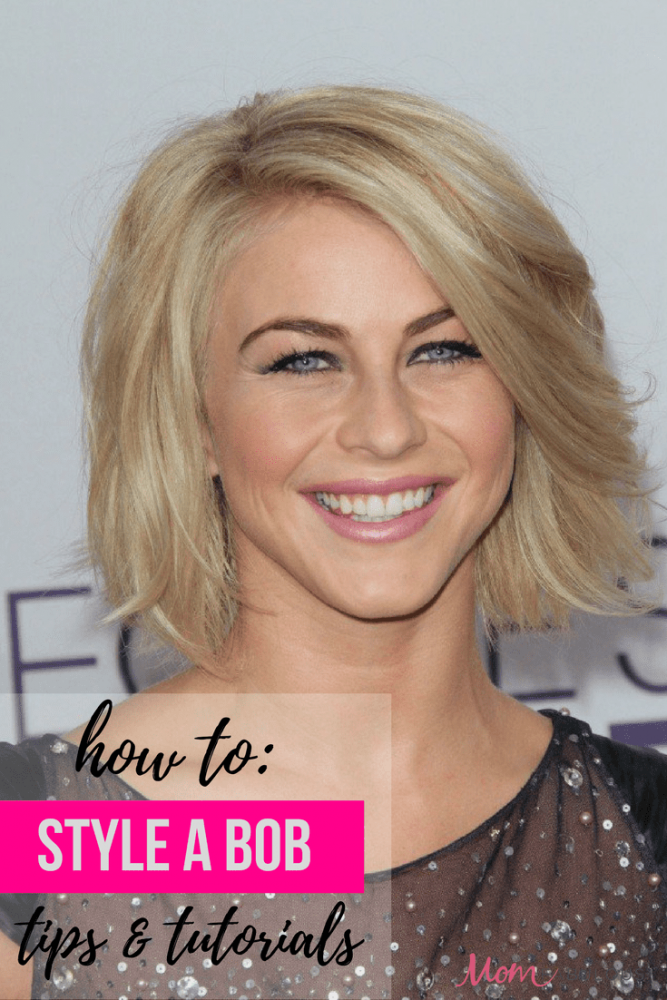
how to style my bob - is a question that sounds simple until you're standing in front of the mirror with a blow-dryer in one hand and a round brush in the other, wondering why your hair looks nothing like the salon photos. A bob is one of the most flattering haircuts you can get, but it is also one of the least forgiving. The wrong technique adds bulk where you don't want it, the wrong product flattens volume you need, and the wrong tool creates a shape that fights your face. The good news is that styling a bob is a skill, not a talent, and once you understand the mechanics of your specific cut, you can reproduce salon results at home in under fifteen minutes. This guide breaks down exactly what to do and what to avoid so you stop guessing and start getting consistent results.
Table of Contents
Before you touch a single tool, you need to understand your bob's architecture. Is it blunt, graduated, layered, or inverted? Does it sit above the jaw, at the chin, or at the collarbone? The length and cut determine everything about your styling routine. A blunt chin-length bob needs smooth, precise finishing, while a layered bob benefits from texture and movement. If you have been struggling with your current cut, it may be worth exploring different short to mid length hairstyles to find a shape that matches both your face and your daily effort level. The point is this: stop copying styling routines from people whose hair is nothing like yours. Your bob has specific needs, and the sooner you identify them, the sooner you stop wasting time and product.
Texture plays an equally important role. Straight hair in a bob tends to look sleek but can fall flat by midday, while wavy or curly hair holds shape but can expand into a triangle if cut or styled incorrectly. If your hair falls into the wavy or curly category, the principles of medium curly hairstyles apply directly to your bob: moisture control, diffusing technique, and avoiding heavy products that weigh down the curl pattern. Straight-haired bob wearers should focus on root lift and lightweight finishing products that add movement without grease. Either way, the fundamentals below will save you from the most common mistakes.
What You SHOULD Do
- Start with damp, not soaking wet, hair. Towel-dry until your hair is about 70 percent dry. Styling a bob on dripping hair dilutes your product and stretches the cuticle, which leads to frizz and a shapeless finish. Rough-dry first, then section and style.
- Use a round brush sized to your bob's length. Short bobs need a small barrel (about 1 inch) to create bend without over-curling. Chin-to-shoulder bobs work best with a 1.5-inch barrel. The brush should match the amount of curve you want, not the amount of hair you have.
- Blow-dry the back first, then the sides, then the front. The back of a bob determines the overall silhouette. If the back falls flat, the whole cut looks limp. Work in small sections, directing air from root to tip and following with a cold shot to set the shape.
- Add texture with a flat iron on the ends only. A slight bend at the ends of a blunt bob creates a modern, lived-in look. Clamp the iron near the mid-length and rotate your wrist outward as you pull through. Do not clamp at the root unless you want dents.
- Use a lightweight texture spray or sea salt spray for grip. Fine hair needs grit to hold shape, and texture spray delivers it without the weight of pomade or wax. Spray at mid-length and ends, then scrunch gently with your fingers.
- Refresh in the morning with dry shampoo at the roots, not the ends. Dry shampoo absorbs oil where it actually accumulates. Spray at the scalp, let it sit for two minutes, then massage and brush through. This restores volume and extends your style by a full day.
- Get a trim every six to eight weeks. A bob loses its shape faster than long hair because every millimeter of growth changes the proportion. Regular trims keep the baseline clean and make daily styling significantly easier.
What You SHOULD NOT Do
- Do not apply heavy serum or oil to the roots. This is the fastest way to flatten a bob. Oils belong on the ends only, and even then, use a pea-sized amount. If your bob looks greasy by noon, your product is the problem, not your hair.
- Do not blow-dry without sectioning. Aiming the dryer randomly at your head creates a chaotic shape and frizz. Clip up the top layers, work bottom-up, and keep the nozzle pointed downward along the hair shaft.
- Do not over-direct the front sections toward your face. This adds weight to the front and creates a helmet-like appearance. Instead, lift the front sections up and back to create height at the root, then smooth the ends forward only at the very last pass.
- Do not use a large barrel brush on a short bob. It will round the ends under too much and create a "news anchor" shape that looks dated. Match the tool to the length, always.
- Do not skip heat protection. A bob requires daily heat styling for many people, and cumulative heat damage shows up fast on short hair because there is less length to hide split ends. A thermal spray is non-negotiable.
- Do not sleep on wet hair without protecting the shape. If you must air-dry overnight, use a silk pillowcase and a loose topknot positioned high on the head. Sleeping directly on damp, unstyled bob hair creates unpredictable bends that are nearly impossible to fix without a full restyle.
- Do not fight your natural texture. If your hair is wavy, work with the wave instead of flat-ironing it into submission every day. A bob with natural movement looks intentional and modern. Forcing straightness on textured hair leads to damage and frustration.


