Images For Hair Styles
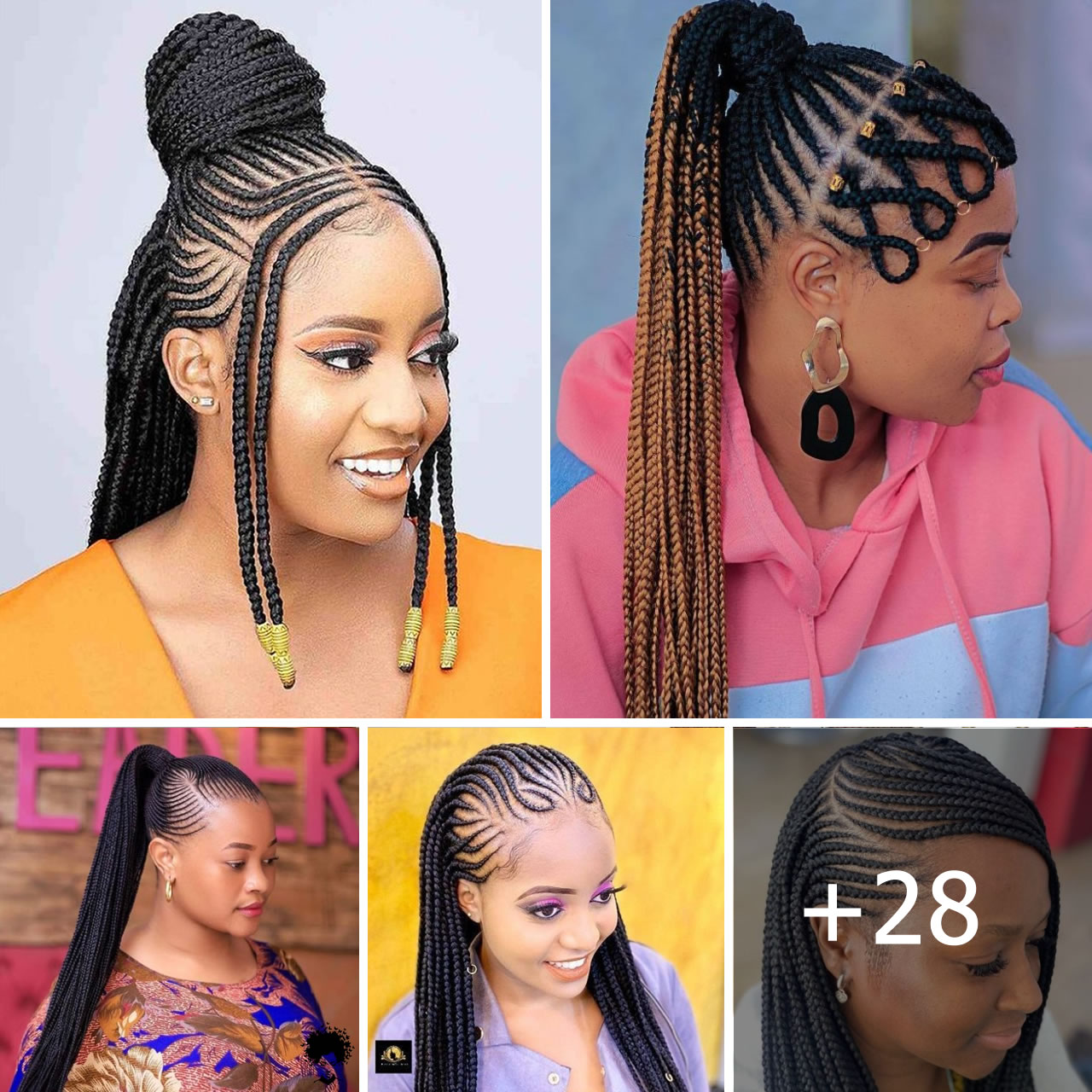
images for hair styles - My friend Dana walked into the salon last month clutching a phone full of screenshots, certain she had found the perfect cut. The stylist squinted at the tiny, blurry photos, nodded politely, and then proceeded to create something that looked nothing like what Dana had pictured. The problem wasn't the stylist's skill or Dana's taste. The problem was the images themselves—saved from random social feeds, cropped badly, and shot under lighting that made the color look completely different from what Dana actually wanted. That afternoon taught me something important: the pictures you bring to a salon appointment matter far more than most people realize, and knowing how to find, evaluate, and use images for hair styles can be the difference between a dream cut and a disappointing one.
Table of Contents
Why Reference Photos Beat Verbal Descriptions Every Time
Words fail us constantly when it comes to hair. One person's "shoulder length" is another person's "collarbone grazing," and "a little off the ends" has ended more salon visits in regret than almost any other phrase. Images for hair styles eliminate that ambiguity because they show rather than tell. When you pull up a clear photo of long hairstyles with bangs and layers, your stylist can immediately see the exact length of the fringe, the angle of the layers, and how the texture falls around the face. That single visual reference can save twenty minutes of back-and-forth and prevent a misunderstanding that would take months to grow out. The lesson here is simple: always bring at least two or three reference images, and make sure they are high resolution, well lit, and show the hairstyle from more than one angle.
Match the Photo to Your Hair Type, Not Just Your Dreams
Here is where so many people go wrong. They fall in love with a photo of thick, wavy hair styled into a voluminous blowout, then ask for the same cut on their fine, straight strands—and wonder why it falls flat by lunchtime. When you are browsing images for hair styles, train yourself to look past the model's face and study the texture, density, and natural pattern of the hair itself. If your hair is fine and straight, search specifically for reference photos of fine, straight hair. If you are considering a color change, look for Stylish Blonde Hairstyles For Women that were shot in natural daylight rather than studio lighting, because indoor photos can make a warm honey blonde look almost platinum. The insights you gain from this habit will save you from disappointment, and they will also help your stylist give you a realistic, honest consultation instead of quietly hoping for the best.
Save Your Images in a Way You Can Actually Use Them
Dana's biggest mistake was keeping her references scattered across a camera roll of thousands of photos. By the time she sat in the chair, she was scrolling frantically while the stylist waited. Build a dedicated album on your phone before every appointment. Name it something obvious, download the highest-resolution versions you can find, and include a mix of front, side, and back views whenever possible. If you are considering a major change, save a photo of your current hair alongside the goal image so your stylist can map out the transition. This small organizational habit transforms images for hair styles from vague inspiration into a practical tool your stylist can actually work from.
Use Photos to Communicate Color, Not Just Cut
Color is the area where reference images matter most and where they are most often misunderstood. A photo of caramel balayage taken under golden-hour sunlight will look dramatically different from the same color under fluorescent salon lights. When gathering images for hair styles that involve color, collect several examples shot in different lighting conditions and ask your colorist which one matches the tone you are actually after. Better yet, bring a photo of your own hair in natural light so the stylist can assess your starting point. This level of detail shows respect for the professional's time and dramatically increases the odds that you walk out with the shade you envisioned.
Trust the Stylist's Translation, Not Just the Picture
The final lesson from Dana's story is about collaboration. Images for hair styles are a starting point for a conversation, not a rigid blueprint. Your hair has its own growth patterns, cowlicks, and history of chemical treatments, and a good stylist will adapt your reference photo to work with those realities. When your stylist suggests a tweak—shortening a layer here, softening a line there—listen carefully. They are not ignoring your inspiration; they are translating it into something that will actually suit your head, your routine, and your lifestyle. Bring the pictures, explain what you love about them, and then trust the expert holding the scissors. That combination of preparation and openness is what turns a risky appointment into the best hair decision you have ever made.
