Layer Cut For Long Hair Straight
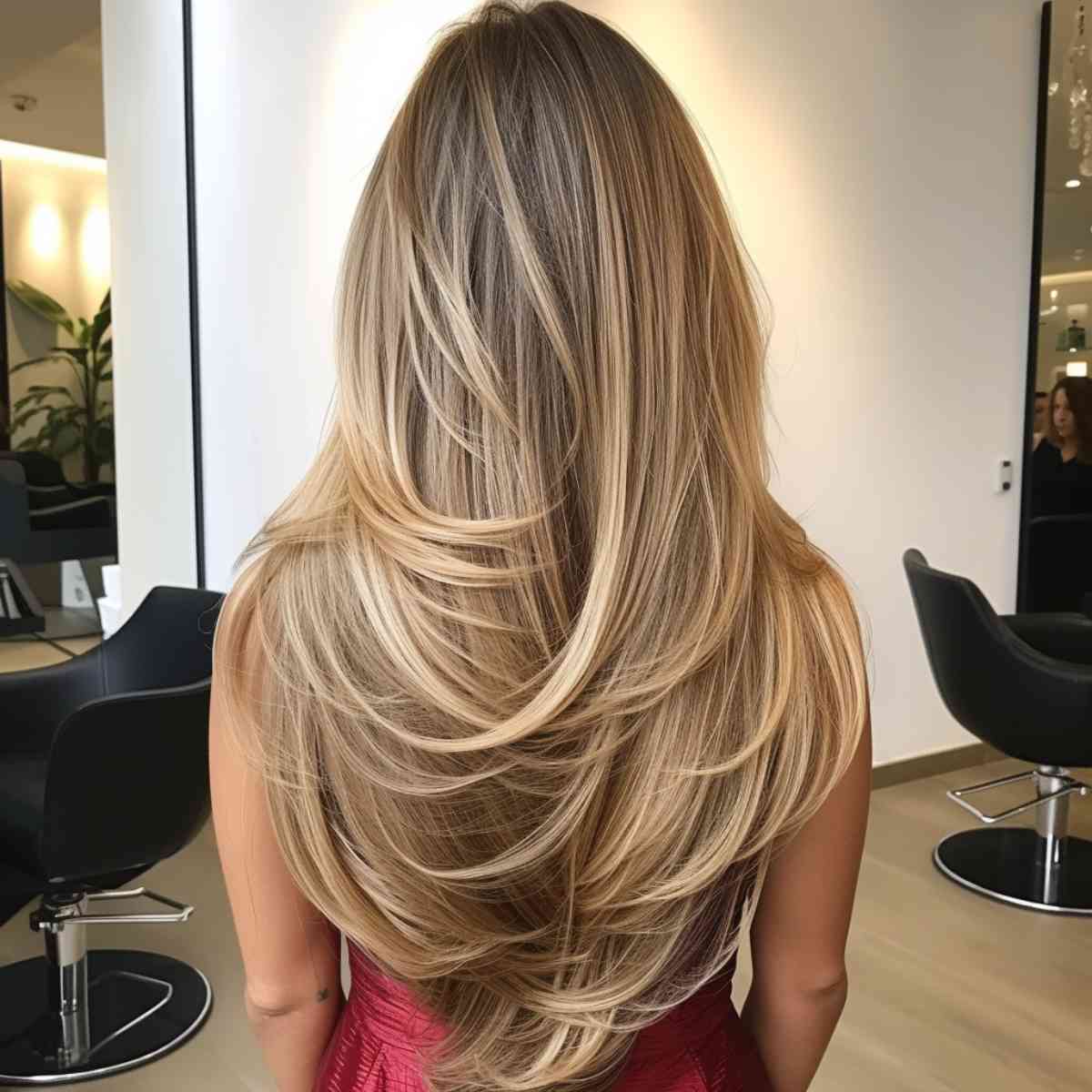
layer cut for long hair straight - If you have long, straight hair and you are tired of it hanging flat with no shape, a layer cut might be the answer you have been looking for. This haircut gives your hair movement, removes heavy bulk, and frames your face in a way that makes styling much easier. Even if you have never visited a salon for anything beyond a basic trim, this guide will walk you through everything in plain, simple words.
Table of Contents
Before you book an appointment, it helps to understand a few basics. Straight hair tends to look flat because all the strands fall at the same length, which pulls the hair down. Layers break up that length by cutting some sections shorter than others, so the hair sits at different levels. This is one of the most popular easy hair styles because it works with your natural texture instead of fighting it. You do not need to curl, tease, or use heat tools every day to make it look good.
Many people confuse a layer cut with other cuts they have seen online. A blunt cut means all hair ends at one level, like a straight line. A layer cut is the opposite: strands end at multiple levels. You may also hear the phrase hair styles long layered, which simply describes the finished look rather than the cutting technique. Understanding these words will help you explain exactly what you want when you sit in the stylist's chair.
What Is It?
A layer cut for long straight hair is a haircut where the stylist divides your hair into sections and trims each section to a different length. The shortest layers usually sit near your face or chin, and the longest layers stay near the bottom of your hair. The result is a soft, blended shape instead of a heavy, one-length curtain.
Here are the key terms you should know:
- Layers: Sections of hair cut at different lengths so the hair does not all end at the same point.
- Face framing: Short pieces around your cheeks and jaw that draw attention to your face.
- Blending: How smoothly one layer flows into the next so there are no harsh, visible lines.
- Bulk removal: Taking out extra thickness so your hair feels lighter and dries faster.
- Point cutting: A technique where the stylist snips into the ends at an angle to soften them.
Because straight hair shows every cut line clearly, the stylist must blend carefully. A good layer cut looks seamless, as if your hair naturally grew that way.
Why It Matters
Choosing the right haircut matters more than most people realize. Long straight hair can feel boring or lifeless, and many people end up tying it back every single day. A layer cut changes that. It gives your hair bounce, shape, and personality without requiring daily effort.
It also solves practical problems. Thick straight hair can feel heavy and take forever to dry. Layers remove weight, so your hair dries faster and feels cooler. Fine straight hair can look limp, but light layers add the illusion of volume. In both cases, the cut does the work so you do not have to.
Another reason it matters is face shape. Layers can soften a strong jaw, balance a round face, or highlight cheekbones. A skilled stylist adjusts the layer placement to suit your features, which is why a quick consultation before the cut is so important.
How to Get Started
Getting a layer cut is simple if you prepare ahead of time. Follow these beginner-friendly steps to make sure you leave the salon happy.
- Find inspiration photos. Save two or three pictures of layer cuts you like. Photos explain more than words ever can.
- Book a consultation. Ask the stylist to look at your hair and tell you what will work before any scissors come out.
- Be honest about your routine. If you never style your hair, say so. The stylist will cut layers that look good with zero effort.
- Start with long layers. If you are nervous, ask for subtle layers that begin below your shoulders. You can always go shorter next time.
- Ask about maintenance. Layers need trims every eight to twelve weeks to stay looking fresh, so plan for it.
- Learn basic drying. Rough-dry your hair upside down for a minute to lift the roots, then smooth the ends with a brush.
- Avoid over-layering fine hair. Too many layers can make thin hair look stringy, so keep it simple.
Once the cut is done, test it yourself at home. Run your fingers through your hair and notice how the layers fall. If something feels off, most salons will adjust it for free within a week or two, so speak up quickly rather than waiting.
Finally, remember that hair grows. If a layer feels too short at first, it will blend in within a few weeks. Give yourself time to adjust to the new shape, and experiment with simple styles like half-up twists or loose ponytails that show off the shorter pieces around your face.


