Layered Cuts Long Hair
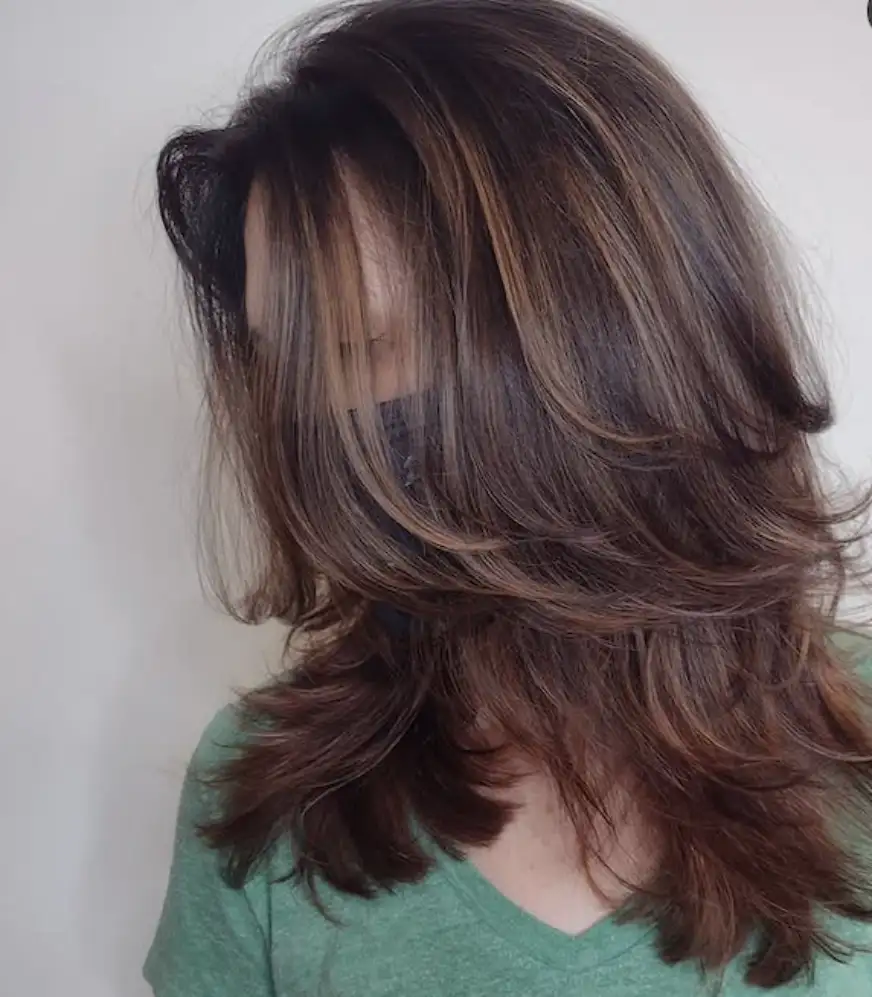
layered cuts long hair - When my friend Priya walked into the salon with waist-length hair that hung like a heavy curtain, she looked exhausted. Every morning she spent twenty minutes fighting tangles, and by noon her hair was flat against her scalp, weighed down by its own length. Her stylist suggested something she had never considered: layered cuts long hair could completely transform her look without sacrificing an inch of length. Priya was skeptical at first, worried that layers would make her fine hair look thinner or frizzy. Three hours later, she walked out with movement, bounce, and a shape that framed her face beautifully. That afternoon taught me something valuable about how layers work on long hair, and the lessons apply to almost anyone considering this change.
Table of Contents
Layers Are About Shape, Not Just Length
Most people assume a haircut is simply about removing length, but layered cuts long hair are really about creating architecture. Priya's hair had no shape at all—it was one uniform block from root to tip. Her stylist explained that layers introduce different lengths throughout the hair, which creates dimension and allows the hair to move independently rather than as a single heavy mass. This is why long hair with layers can look fuller and more dynamic than blunt-cut hair of the same length. If you have been stuck in a styling rut, you might also enjoy experimenting with Stylish Messy Bun Hairstyles For Women once your new layers give you more texture to work with. The key insight is that layers redistribute weight, so the hair near your face and crown gains volume while the ends stay light and swingy.
Face Shape Should Guide Your Layer Placement
Not all layers are created equal, and the placement matters as much as the cut itself. Priya has a round face, so her stylist placed the shortest layers right around her cheekbones to create angles and draw attention to her eyes. Someone with a long face might benefit from layers that start lower, around the jaw or collarbone, to add width rather than length. If you want to explore how layers work at different lengths before committing to a dramatic change, browsing short medium layered haircuts can help you visualize the progression. The lesson here is simple: bring photos, be honest about your face shape, and trust a stylist who asks questions before picking up the scissors. A good cut is tailored, never one-size-fits-all.
Hair Texture Determines Layer Spacing
Priya's fine hair needed layers that were spaced relatively close together to build volume, but her stylist was careful not to over-layer, which would have made the ends look stringy. Thick, coarse hair behaves differently—it can handle wider, chunkier layers because each section carries more weight and density. Curly and wavy hair requires yet another approach, since layers can either enhance curl definition or create unwanted frizz depending on how they are cut. The takeaway is that the number and spacing of your layers should be a conversation about your specific texture, not a copied formula from a magazine. Ask your stylist how your hair type will respond before the first snip.
Maintenance Is Part of the Deal
One thing Priya learned the hard way is that layers demand regular trims to stay looking intentional. Without maintenance, the shorter pieces grow out and the shape collapses into something shapeless and awkward. She now books a trim every eight to ten weeks, which keeps the layers crisp and prevents split ends from traveling up the strands. Layered hair also benefits from a slightly different styling routine—a round brush, a texturizing spray, or a few loose waves can make the layers sing. The insight is that layers are not a set-and-forget choice; they reward a little ongoing effort with far more styling flexibility than a blunt cut ever offered.
The Right Products Make Layers Work Harder
Priya discovered that her old routine of heavy conditioner and serum was weighing down her new layers. Her stylist recommended a lightweight volumizing mousse at the roots and a sea-salt spray through the mid-lengths to define the texture. She also swapped her heavy leave-in treatment for a lighter detangling mist, which kept her ends soft without flattening the shape. The broader lesson is that layered cuts long hair change how products behave on your strands—what worked on a blunt cut may drag your layers down. Pay attention to where you apply product: roots and mid-lengths usually need lift and texture, while the ends need just enough moisture to stay healthy.
Confidence Comes From Understanding Your Hair
The most striking change in Priya was not the cut itself but how she carried it. Once she understood why the layers were placed where they were and how to style them, she stopped fighting her hair every morning. She could air-dry it on lazy days, throw it into a quick updo on busy ones, or spend ten minutes with a curling iron for something polished. Layered cuts long hair gave her options she did not know she was missing. The final insight is that the best haircut is one you understand—when you know how your layers work, you stop guessing and start styling with intention, and that confidence shows in every angle.

