Layers For Long Hair
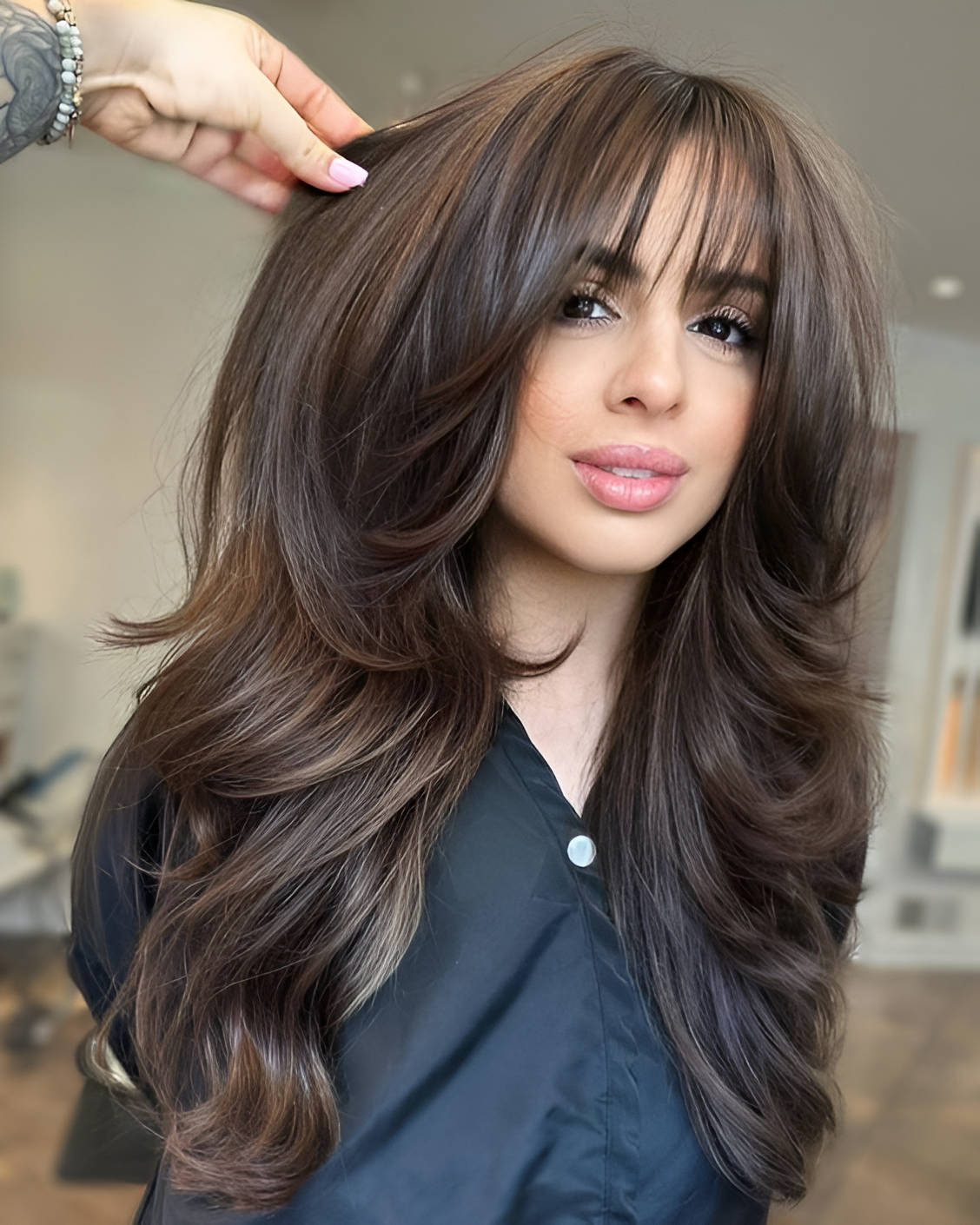
layers for long hair - is one of those topics that sounds simple until you're actually sitting in the stylist's chair, clutching a photo you found at 2 a.m., and hoping against hope that the person holding the scissors understands exactly what you mean by "just a little movement, nothing crazy." If you've got long hair, you already know the drill. You want dimension, you want bounce, you want your hair to stop hanging there like a curtain that hasn't been washed since Tuesday. But you're also terrified of walking out with a choppy, over-layered situation that makes you look like you time-traveled straight out of a 2009 boy band. So let's talk about it honestly, because layers on long hair are genuinely transformative when they're done right, and genuinely tragic when they're not.
Table of Contents
The Problem: Long Hair That Just Hangs There
Here's the thing nobody tells you when you're growing your hair out. Length, on its own, is not a style. It's just length. And once your hair passes that mid-back mark, gravity takes over and everything starts to look heavy, flat, and a little bit sad. The weight of all that hair pulls the roots down, so even if you have natural volume, it disappears by noon. Your face-framing situation becomes nonexistent, which means your features get swallowed by a wall of hair. And if you've ever tried to add some dimension with color, you've probably noticed that all that length can actually mute the effect, which is why so many people pair their cut with blonde highlights dark tones to create contrast and depth that the eye can actually follow. But color alone can't fix a shape problem. That's the frustrating part. You can spend hours on styling, buy every root-lifting spray on the market, and still end up with hair that looks like it's been ironed onto your head by 3 p.m.
The Struggle: Why Layers Go Wrong So Often
The real issue is that "layers" is a wildly vague word, and most of us don't have the vocabulary to describe what we actually want. You say "layers" and your stylist hears "take weight off," and suddenly you've got a shelf of short pieces around your jaw and a bunch of wispy ends that make your ponytail look like a broom. Or the opposite happens: the layers are so subtle and so long that you paid $80 for a haircut that looks identical to the one you walked in with. There's also the grow-out problem, which is genuinely brutal. Short layers on long hair grow out into a weird mullet-adjacent shape within six weeks, and then you're stuck either cutting everything shorter than you wanted or living with a shape you hate. And if your hair is straight, fine, or medium in texture, the wrong layers can make it look thinner than it actually is, because every layer point becomes a place where the eye sees a gap. This is exactly why people with straighter textures often study hairstyles for medium straight hair before committing, since straight hair shows every single cut line and doesn't have natural curl to hide imperfections.
The Solution: Layers That Actually Work With Your Length
So what's the answer? It comes down to three things: placement, proportion, and communication. First, placement. The best layers for long hair start well below the chin, usually around the collarbone or lower, and blend gradually toward the ends. This gives you movement without sacrificing the length you've spent years growing. Face-framing pieces are the exception, but even those should be long enough to tuck behind your ear if you want to. Second, proportion. A good rule of thumb is that your shortest layer should never be more than about a third of the way up from your longest point. Go shorter than that and you're in grow-out purgatory. Third, communication. Bring photos, sure, but also bring words. Tell your stylist whether you wear your hair up often, whether you air-dry or heat style, and how often you're willing to get it cut. Someone who throws their hair in a bun five days a week needs a very different layer structure than someone who blow-dries daily.
Which Layer Style Suits You
If your hair is thick and heavy, long, blended layers starting at the collarbone will remove bulk without creating a mushroom shape. Ask for point-cutting at the ends to soften the line. If your hair is fine, keep layers long and minimal, and ask for a few face-framing pieces only, because too many layers will make fine hair look stringy. If your hair is wavy or curly, layers are your best friend, but they need to be cut dry so your stylist can see how your curl pattern actually falls. And if you're growing out a previous cut, ask for "invisible layers" that connect your old short pieces to your new length gradually rather than chopping everything to match.
Styling and Maintenance Reality Check
Layers require a little more effort than a blunt cut, and it's worth being honest about that. You'll want a round brush or a good texturizing spray to get the most out of them. A quick rough-dry with your head flipped over does wonders for volume at the root, and a light serum on the ends keeps layered tips from looking frayed. Book trims every eight to ten weeks, because layered long hair loses its shape faster than a one-length cut. And if you color your hair, keep your ends hydrated, since layered tips are the first place dryness shows up.


