Long Layered Bob
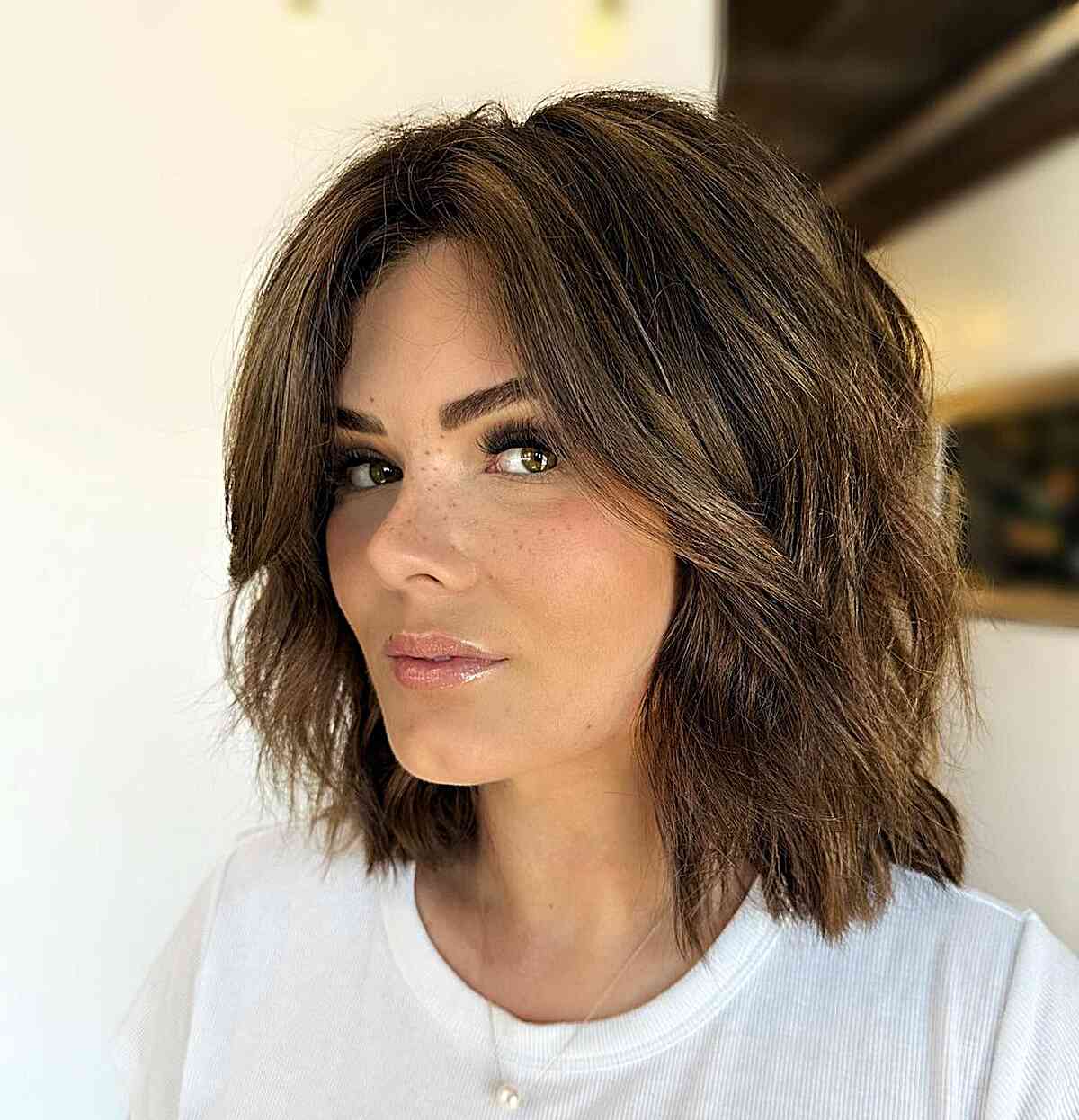
long layered bob - is one of the most versatile and universally flattering haircuts you can choose, blending the clean structure of a classic bob with the movement and dimension of soft layers. This style sits somewhere between a chin-length crop and a shoulder-grazing lob, giving you the best of both worlds: polish and playfulness in a single cut. Whether you have straight, wavy, or curly texture, a long layered bob can be tailored to suit your face shape, hair density, and personal style. In this guide, we break down everything you need to know, from how to ask your stylist for the right cut to the styling tricks that keep your layers looking fresh between appointments.
Table of Contents
- 1. Understand What Defines a Long Layered Bob
- 2. Choose the Right Layer Placement for Your Face Shape
- 3. Pick a Parting That Complements the Cut
- 4. Master the Blow-Dry for Salon-Worthy Volume
- 5. Use Texturizing Products to Define the Layers
- 6. Schedule Regular Trims to Maintain the Shape
- 7. Experiment with Color to Enhance the Layers
- 8. Adapt the Cut for Curly and Wavy Textures
What makes the long layered bob so popular is its adaptability. Unlike a blunt bob that demands precision and can feel heavy, layers introduce softness and allow the hair to flow naturally. If you have been browsing short hair cuts for ladies for inspiration, you have likely noticed how often this layered variation appears on trend boards and red carpets alike. The cut works beautifully on oval, round, square, and heart-shaped faces because the layers can be positioned to frame the cheekbones, soften a strong jawline, or add volume exactly where you need it most.
1. Understand What Defines a Long Layered Bob
Before you book an appointment, it helps to know exactly what separates this cut from a standard bob or a full-length layered style. A long layered bob typically falls between the jawline and the collarbone, with graduated layers that create movement and remove excess bulk. The longest layer usually hits the shoulders or just above, while the shortest layers begin around the cheek or chin. This structure gives the hair a rounded, voluminous shape at the crown that tapers toward the ends. For anyone searching for hairstyles for women with fine hair, this layered approach is especially valuable because it builds the illusion of thickness without weighing strands down.
2. Choose the Right Layer Placement for Your Face Shape
Layer placement is everything. For round faces, ask for longer face-framing pieces that start below the chin to elongate the silhouette. Square faces benefit from soft, blended layers around the jaw to reduce angularity. Heart-shaped faces look best with layers that begin at the cheekbone and sweep downward, balancing a wider forehead with a narrower chin. Oval faces can carry almost any layer placement, so feel free to experiment with curtain bangs or a deeper side part. Always bring reference photos to your consultation, and be honest with your stylist about how much time you are willing to spend styling each morning.
3. Pick a Parting That Complements the Cut
Your parting dramatically affects how a long layered bob falls. A center part creates symmetry and works well with curtain bangs and face-framing layers. A deep side part adds instant volume at the root and suits finer hair types that need a lift. A slightly off-center part is a safe middle ground that flatters most faces. If you want to switch things up without a new cut, simply flipping your part after washing can refresh the shape and redistribute volume.
4. Master the Blow-Dry for Salon-Worthy Volume
Layers only look their best when they have direction and bounce. Start by applying a lightweight volumizing mousse to damp roots, then rough-dry until the hair is about eighty percent dry. Use a round brush to lift the roots at the crown and roll the ends under or out, depending on the look you want. For a smoother finish, aim the nozzle downward along the hair shaft to seal the cuticle. A quick blast of cool air at the end sets the style and boosts shine.
5. Use Texturizing Products to Define the Layers
Texturizing sprays, sea salt mists, and lightweight creams are your best friends with this cut. They separate the layers, add grip, and prevent the hair from collapsing into a flat block. Apply a small amount to the mid-lengths and ends, scrunch gently, and let the hair air-dry for a relaxed, beachy finish. Avoid heavy oils or thick pomades near the root, as they can weigh down the layers and make the cut look limp.
6. Schedule Regular Trims to Maintain the Shape
Layers grow out faster than blunt cuts because the shorter pieces lose their shape first. Book a trim every six to eight weeks to keep the silhouette crisp. Ask your stylist to dust the ends and refresh the face-framing pieces without removing too much length. Regular maintenance ensures the long layered bob keeps its rounded shape and never drifts into an awkward grown-out phase.
7. Experiment with Color to Enhance the Layers
Color and layers are a powerful combination. Balayage, highlights, or a subtle ombré can accentuate the dimension of a layered cut by catching light on different lengths. Lighter pieces around the face draw attention to your features, while deeper roots add depth at the crown. If you prefer a low-maintenance approach, a gloss or toner refresh every few months keeps the color looking vibrant without frequent salon visits.
8. Adapt the Cut for Curly and Wavy Textures
Curly and wavy hair types can absolutely rock a long layered bob, but the approach differs. Ask for layers cut dry so your stylist can see how your curls naturally fall. Rounded layers create a beautiful shape for curls, while point-cutting the ends prevents a blocky finish. Use a curl cream or gel to define the layers, and diffuse rather than blow-dry to preserve the pattern.


