Long Straight Hair
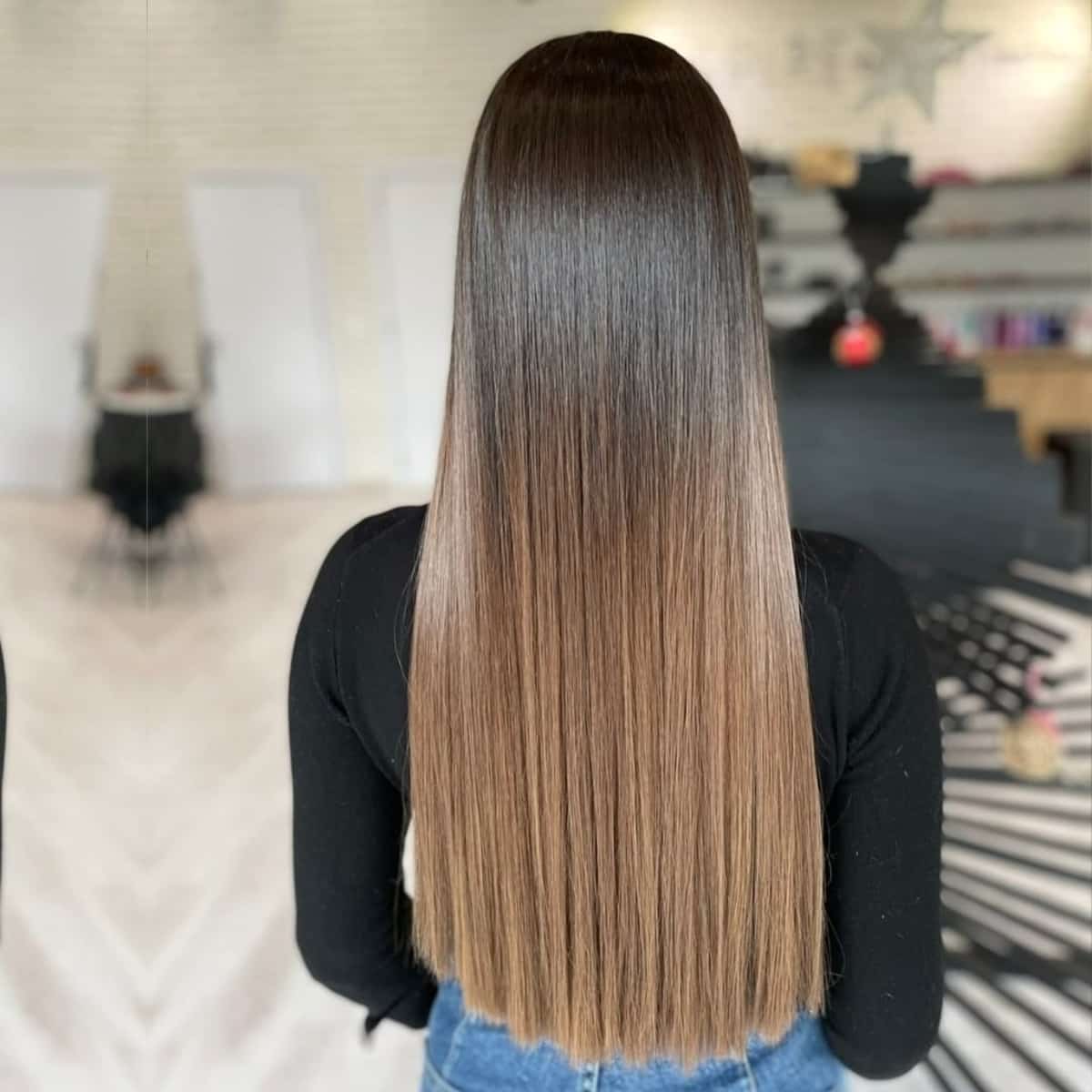
long straight hair - is one of those timeless looks that never really goes out of style, whether you're walking into a boardroom or heading to a weekend brunch. There's something almost magnetic about sleek, glossy strands that fall perfectly into place, and it's no wonder so many people chase that polished finish. But here's the truth: maintaining beautiful straight locks isn't just about running a flat iron through your hair every morning. It's about understanding your hair type, building a routine that protects your strands, and knowing which styling tricks actually work. In this Q&A, we're breaking down the most common questions people ask about straight, sleek hair so you can get the look you want without the guesswork.
Table of Contents
- Question: Why does my straight hair look flat and lifeless by the end of the day?
- Question: How often should I wash long straight hair?
- Question: What's the best way to prevent heat damage when straightening?
- Question: Can I get sleek straight hair without using heat at all?
- Question: How do I keep my straight hair shiny and healthy-looking?
- Question: Which haircut works best for long straight hair?
- Question: How can I stop my straight hair from getting frizzy in humidity?
Question: Why does my straight hair look flat and lifeless by the end of the day?
Answer: Flat, limp strands usually come down to a combination of product buildup, natural oils traveling down the hair shaft, and a lack of volume at the roots. If you wash your hair with heavy conditioners or apply styling products too close to the scalp, gravity takes over fast. Try using a clarifying shampoo once a week to remove residue, and apply volumizing mousse or root-lifting spray only at the crown. Blow-drying your roots upside down with a round brush gives you lift that lasts. If you're exploring ways to add movement without going full curl, checking out some medium hairstyles hair inspiration can help you find cuts with built-in layers that keep straight strands from falling completely flat.
Question: How often should I wash long straight hair?
Answer: It depends on your scalp, but most people with straight hair find that washing every two to three days strikes the right balance. Straight hair tends to show oil faster than curly or wavy textures because the natural sebum slides down the shaft more easily, so daily washing can actually strip your scalp and trigger even more oil production. On off days, dry shampoo at the roots is your best friend. If your hair is fine and tends to look greasy quickly, you might benefit from lightweight formulas designed specifically for hairstyles for thin hair, which often pair well with gentler cleansing routines and volumizing products that won't weigh your strands down.
Question: What's the best way to prevent heat damage when straightening?
Answer: The golden rule is simple: never skip a heat protectant, and never straighten damp hair. A good thermal spray creates a barrier between your strands and the hot plates, and it should be applied from mid-shaft to ends before you touch the iron. Keep your flat iron at 350°F or below unless your hair is coarse and resistant, and always do a single pass per section rather than repeatedly gliding over the same strand. A titanium or ceramic plate with even heat distribution makes a huge difference too. Also, give your hair a break from heat at least one or two days a week so it can recover and retain moisture.
Question: Can I get sleek straight hair without using heat at all?
Answer: Absolutely, though it requires a bit of patience. The classic method is wrapping your hair around your head like a scarf, securing it with bobby pins, and letting it set overnight. You can also use large velcro rollers on slightly damp hair, or try a silk scarf wrap combined with a light setting lotion. Another trick is to comb a small amount of straightening cream through damp hair, then use a wide-tooth comb to pull it smooth as it air-dries. The results won't be as pin-straight as a flat iron, but they'll give you a natural, glass-like smoothness that looks effortlessly healthy.
Question: How do I keep my straight hair shiny and healthy-looking?
Answer: Shine comes from a smooth cuticle, so anything that roughs up the outer layer of your hair will dull it. Use a sulfate-free shampoo, finish your wash with a cold-water rinse to seal the cuticle, and apply a lightweight serum or a few drops of argan oil to your ends while they're still slightly damp. Regular trims every eight to twelve weeks prevent split ends from traveling up the shaft. And don't underestimate the power of a weekly deep-conditioning mask, especially if you heat style often. Healthy hair reflects light, and that's what gives straight strands that enviable glossy finish.
Question: Which haircut works best for long straight hair?
Answer: Long straight hair looks stunning with a blunt cut because it maximizes that sleek, one-length effect. If you want more movement, ask for long layers starting below your collarbone, which add dimension without sacrificing length. A slight face-framing angle can soften a long, straight look and draw attention to your features. Curtain bangs are another great option because they blend beautifully into straight strands and give the style a modern edge. Whatever you choose, communicate with your stylist about how much time you're willing to spend styling each day, since some cuts demand more maintenance than others.
Question: How can I stop my straight hair from getting frizzy in humidity?
Answer: Humidity and straight hair are natural enemies, but you can fight back. Start with a smoothing serum or anti-humidity spray applied to dry hair before you leave the house. Avoid glycerin-heavy products in muggy weather, since glycerin pulls moisture from the air into your hair. A light layer of hairspray on a brush, combed through your strands, creates a subtle shield. Keeping a compact anti-frizz sheet in your bag helps with touch-ups during the day, and sleeping on a silk pillowcase reduces friction that leads to frizz and flyaways.


