Short Hair For Straight Hair
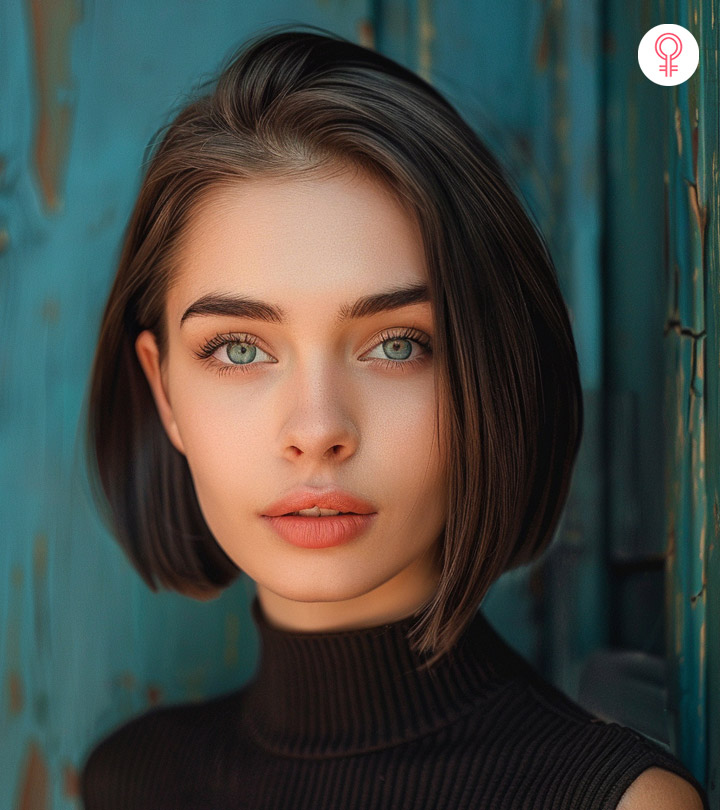
short hair for straight hair - is one of those combinations that sounds simple on paper but can feel surprisingly tricky when you're actually sitting in the stylist's chair. Straight hair has a reputation for being sleek and effortless, but the moment you go short, every little detail shows. There's no natural wave or curl to hide a choppy line or a blunt edge that sits slightly off. The good news? That same honesty is exactly what makes short cuts on straight hair look so polished, modern, and expensive when they're done right. Whether you're dreaming of a sharp bob, a pixie, or something in between, this step-by-step guide will walk you through everything from picking the right shape to styling it at home without a team of professionals behind you.
Table of Contents
Before you book an appointment, it helps to understand why straight hair behaves the way it does when it's cut short. Straight strands tend to lie flat against the head, which means volume has to be created intentionally rather than relying on texture. This is why so many people searching for a hair style short ladies actually end up loving layered cuts — they add movement and lift where straight hair naturally lacks it. It also means your cut needs to work with your growth pattern and face shape, not against them.
Step 1: Identify Your Face Shape and Hair Density
Every great short haircut starts with an honest assessment of what you're working with. Straight hair amplifies your face shape because it frames everything so cleanly, so getting this step right saves you months of regret. Grab a mirror, pull your hair back, and trace the outline of your face. Then check your density — is your hair fine, medium, or thick?
- Oval faces: You can wear almost anything, from a blunt micro bob to a textured pixie. Lucky you.
- Round faces: Go for length at the front and angles at the sides. A-line bobs and asymmetric cuts create the illusion of structure.
- Square faces: Soft, layered pixies and graduated bobs soften a strong jawline beautifully.
- Heart-shaped faces: Chin-length bobs with side-swept bangs balance a wider forehead.
- Fine hair: Keep the perimeter clean but add invisible layers for lift. Avoid heavy blunt cuts that collapse flat.
- Thick hair: Blunt lines work gorgeously here, but ask for internal thinning to stop the shape from turning into a helmet.
This single step prevents the most common short-hair disaster: a cut that looks stunning on someone else but fights your natural growth pattern every morning.
Step 2: Choose the Right Short Shape for Straight Strands
Now comes the fun part. Straight hair shines in cuts with strong geometry and clean lines, but it also thrives with strategic layers. When browsing inspiration for hairstyle short hairstyles, pay attention to how the hair falls — not just how it looks in a posed photo. Look for cuts where the model's hair is genuinely straight, not curled under with a round brush.
- The classic blunt bob: A chin-to-jaw-length bob with a crisp baseline. It's the ultimate straight-hair statement and looks incredibly chic with a middle part.
- The graduated bob: Shorter at the back, longer at the front. This shape builds natural volume at the crown, which straight hair desperately needs.
- The layered pixie: Piecey, textured, and low-maintenance. Ask for point-cut layers so the ends don't look stringy.
- The French bob: Jaw-skimming with soft fringe. It's romantic, timeless, and works beautifully on fine straight hair.
- The asymmetrical chop: One side longer than the other creates instant visual interest without requiring texture.
Bring two or three photos to your consultation and be honest about your styling routine. If you won't touch a flat iron in the morning, don't choose a cut that demands daily heat styling to look finished.
Step 3: Communicate Clearly at the Consultation
Salon visits go sideways when communication is vague. Straight hair shows every millimetre of a bad line, so specificity is your best friend. Tell your stylist exactly how much length you want removed in centimetres, not in vague terms like "a trim." Show them where you want the shortest layer to sit and how you plan to part your hair day to day.
- Ask how the cut will look without styling — this is the real test.
- Confirm whether the stylist plans to use a razor, point-cutting, or blunt scissors, since each creates a different finish on straight hair.
- Request a quick lesson on how to recreate the blow-dry at home before you leave the chair.
- Ask about your growth pattern at the crown and nape so you know what to expect in six weeks.
Step 4: Master the At-Home Styling Routine
Short straight hair is genuinely low-effort once you have a system. The trick is working with your hair's natural inclination to lie flat rather than fighting it with heavy products. Start with a lightweight volumising mousse on damp roots, rough-dry upside down for lift, then finish with a small round brush at the front sections only.
- Use a texturising spray at the mid-lengths for grip and separation.
- Skip heavy pomades — they weigh straight hair down and make it look greasy by noon.
- A tiny amount of serum on the ends keeps blunt cuts looking glossy rather than frayed.
- Invest in a small flat iron for touch-ups on the perimeter line; it takes ninety seconds.
Step 5: Plan Your Maintenance Schedule
Short cuts on straight hair lose their sharpness fast — usually around the four-to-six-week mark. Book your next appointment before you leave the salon, and ask your stylist which areas tend to grow out first so you can mention them next time. Between visits, a dry shampoo at the roots and a weekly deep-conditioning mask will keep the shape looking fresh and the ends from splitting.
- Fine hair: refresh every four weeks to maintain shape.
- Thick hair: six weeks is usually fine, but keep the perimeter trimmed.
- Use a silk pillowcase to reduce friction and frizz on blunt ends.
- Get a micro-trim every second visit to keep the baseline crisp.
With the right shape, honest communication, and a simple styling system, short straight hair becomes the easiest, sharpest look in your rotation — no curling iron required.


