Shoulder Length Hair And Bangs
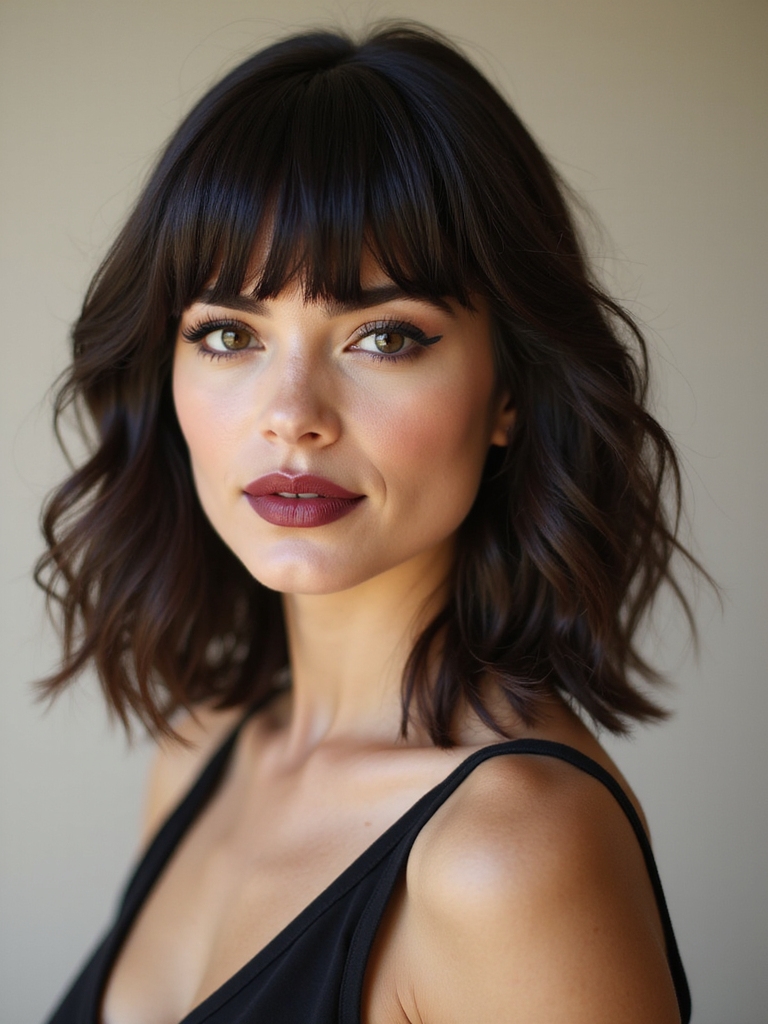
shoulder length hair and bangs - is one of the most versatile and flattering combinations in hairstyling, but it is also one of the most frequently botched. The margin for error is razor-thin: bangs that sit a centimeter too high or too low can distort your face shape, and a cut that grazes the collarbone instead of the shoulder can turn a chic look into an awkward grow-out phase. This guide cuts through the noise and tells you exactly what works, what fails, and why, so you walk into the salon with a plan instead of a Pinterest board full of hope.
Table of Contents
The core appeal of this length is its flexibility. You can wear it sleek and blunt, textured and wavy, or pulled back with a few face-framing pieces left loose. If you are planning a look for a special occasion, the ideas in Beautiful Birthday Hairstyles For Women show how much mileage you can get from this cut with minimal styling effort. The bangs are the anchor: they frame the eyes and cheekbones, which means the rest of the cut only needs to cooperate, not compete.
Before you commit, understand your face shape and hair texture. Fine hair behaves differently from thick, coarse hair at this length, and a fringe that looks airy on one person can look heavy and dense on another. The broader category of different hair styles makes this clear: the same cut reads completely differently depending on density, growth pattern, and cowlicks. A good stylist will assess all three before the scissors come out.
What You SHOULD Do
- Bring photos from multiple angles. A single front-facing photo hides the layers and the way the bangs fall at the temples. Show your stylist the front, side, and back so they understand the full shape you want.
- Ask for a consultation before the cut. Discuss your hair's natural texture, your daily styling time, and your cowlicks. A stylist who skips this step is a stylist you should walk away from.
- Choose a fringe that suits your face shape. Soft, curtain-style bangs flatter round and square faces by adding vertical lines. Blunt, straight-across bangs work best on oval and heart-shaped faces. Side-swept bangs are the safest universal option.
- Request point-cutting on the ends. This softens the perimeter of the bangs so they don't look like a hard, heavy block sitting on your forehead.
- Have the bangs cut slightly longer than the final goal. Hair springs up after drying, especially if it is wavy. Cutting dry or leaving extra length prevents the dreaded too-short fringe.
- Invest in a round brush and a lightweight styling spray. Shoulder-length hair with bangs needs a little volume at the root and smoothness through the ends. A round brush blow-dry takes five minutes and transforms the look.
- Schedule trims every four to six weeks. Bangs grow fast and lose their shape quickly. Regular micro-trims keep the line clean and prevent the split-end frizz that ruins the whole cut.
- Use a silk pillowcase. It reduces friction, which keeps both the bangs and the shoulder-length ends smoother between washes.
What You SHOULD NOT Do
- Do not cut your own bangs. The angle of the scissors, the tension of the hair, and the way it dries all work against you. This is the single most common regret among people with this hairstyle.
- Do not request blunt, heavy bangs if you have fine hair. They will look stringy and separate within hours. Opt for wispy or curtain bangs instead.
- Do not let a stylist cut the bangs wet and call it done. Wet hair shrinks as it dries. Insist on a dry check before you leave the chair.
- Do not over-layer the shoulder-length portion. Too many layers on this length creates a choppy, thinning effect, especially on fine hair. Keep layers long and minimal.
- Do not skip the heat protectant. Bangs sit closest to your face and get styled most often. Repeated heat without protection leads to frizz and breakage right at the hairline.
- Do not use heavy pomades or wax on the fringe. They weigh the hair down and create a greasy, separated look. Use a lightweight spray or a tiny amount of serum instead.
- Do not ignore your cowlicks. If you have a strong growth pattern at the front, tell your stylist. Fighting a cowlick with a blunt fringe is a losing battle; a side-swept or textured bang works with it instead.
- Do not go months between trims hoping to "grow it out." Shoulder-length hair with bangs requires maintenance. Neglect turns a polished cut into a shapeless, split-ended mess.
