Shoulder Length Haircuts For Fine Hair
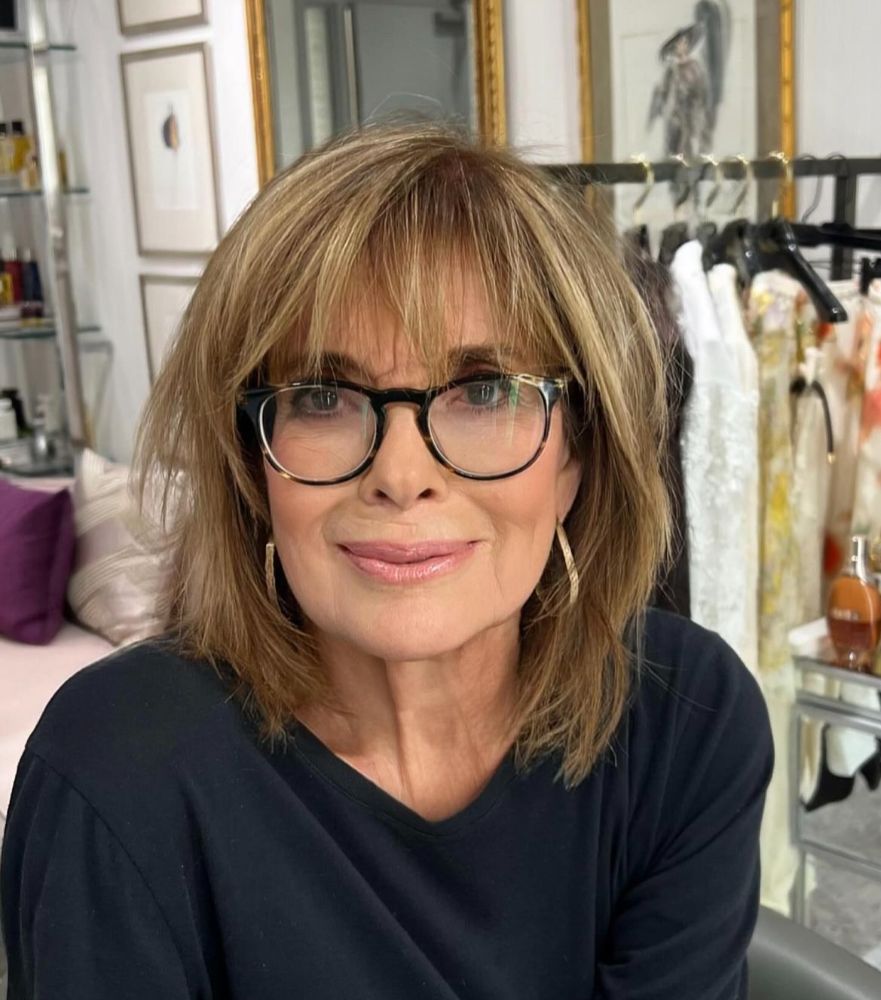
shoulder length haircuts for fine hair - My friend Dana spent years convinced that her fine, wispy strands were a curse. Every time she visited a salon, she'd point to glossy magazine photos of thick, cascading waves and leave with a cut that made her hair look flatter than when she walked in. The turning point came when a stylist finally explained that the problem wasn't her hair texture at all—it was the length and shape she kept choosing. Once Dana switched to a shoulder-grazing cut with the right layers and texture, her hair suddenly looked fuller, bouncier, and effortlessly polished. That single change taught her something most fine-haired people learn far too late: the right cut does more for volume than a bathroom cabinet full of thickening products ever will.
Table of Contents
Why Shoulder Length Is the Sweet Spot for Fine Hair
Fine hair has a delicate structure, and length works against it. The longer your hair grows, the more weight it carries, and that weight pulls the strands down until everything lies limp against your head. Going too short, on the other hand, can expose thinness at the crown or make the hair look sparse. Shoulder length sits in the perfect middle zone—long enough to feel feminine and versatile, short enough to keep natural movement and bounce. Compared to medium length hair that falls past the collarbone, a shoulder-length cut reduces drag on the roots, which means your hair holds lift throughout the day instead of collapsing by noon. It's also a length that frames the face beautifully, drawing attention to your features rather than the density of your strands.
Blunt Cuts vs. Layers: Finding Your Balance
The single biggest mistake fine-haired people make is over-layering. While layers can create movement, too many of them thin out the ends and make the hair look straggly. A blunt or softly blunt perimeter is your secret weapon—it creates the illusion of a denser hemline because all the ends land on the same line. From there, you can add just a few face-framing pieces or long, subtle layers through the front to prevent the cut from looking heavy. If you love the look of fringe and movement, explore hairstyles for layered hair with bangs carefully and ask your stylist to keep the layers long and sparse rather than choppy. The goal is structure with a hint of softness, never a shaggy, thinned-out finish.
The Collarbone Lob With a Blunt Edge
A collarbone-grazing lob with a clean, blunt baseline is arguably the most flattering shoulder-length option for fine hair. Because all the weight sits at the bottom edge, the hair reads as thicker and healthier from every angle. Ask for a slight angle toward the front so the cut gently curves around the jawline, and skip heavy texturizing. This shape works on straight, wavy, and even slightly curly textures, and it grows out gracefully between appointments—an underrated benefit for anyone tired of frequent salon visits.
The Soft A-Line for Instant Fullness
An A-line cut, where the back is slightly shorter than the front, creates a natural stacked effect at the nape that makes the back of your head look fuller. For fine hair, this is a quiet miracle worker. The gradual angle builds visual density without requiring thick layers or heavy styling. Keep the difference between front and back subtle—around one to two inches—so the shape stays modern rather than dramatic. Pair it with a side part to lift the roots on one side and you'll notice an immediate difference in how much body your hair appears to have.
Curtain Bangs and Face-Framing Pieces
Bangs can be intimidating when your hair is fine, but the right style adds volume exactly where you want it. Curtain bangs that sweep outward at cheekbone level create width across the face and conceal thinning at the temples. The key is to keep them piecey and light rather than dense and straight across. Face-framing sections that blend into the rest of the cut add softness while maintaining the bulk of the perimeter. Avoid heavy, blunt fringe, which can look stringy within hours on fine strands.
Texture Tricks That Support the Cut
Even the best cut needs a little help. Request a subtle invisible layer or two underneath the top section—sometimes called internal layering—to create hidden support without visible choppiness. A slight bend or wave, whether natural or created with a one-inch curling iron, disguises thinness better than perfectly straight hair. Rotate your part regularly to prevent flattening, and use a lightweight mousse at the roots rather than heavy creams that weigh strands down. Shoulder length gives you enough hair to experiment with half-up styles, loose braids, and claw-clip updos, all of which add the appearance of thickness at the crown.
What to Tell Your Stylist
Communication is everything. Tell your stylist directly that your priority is fullness, not just shape. Ask for a blunt or softly blunt perimeter, minimal long layers, and face-framing pieces that add width rather than remove it. Bring photos of cuts on people with similar hair texture, not just similar face shapes. If a stylist reaches for the thinning shears, speak up—those tools are the enemy of fine hair. A good cut should feel light but look substantial, and a skilled stylist will know how to walk that line.


