Straight Hair Fashion
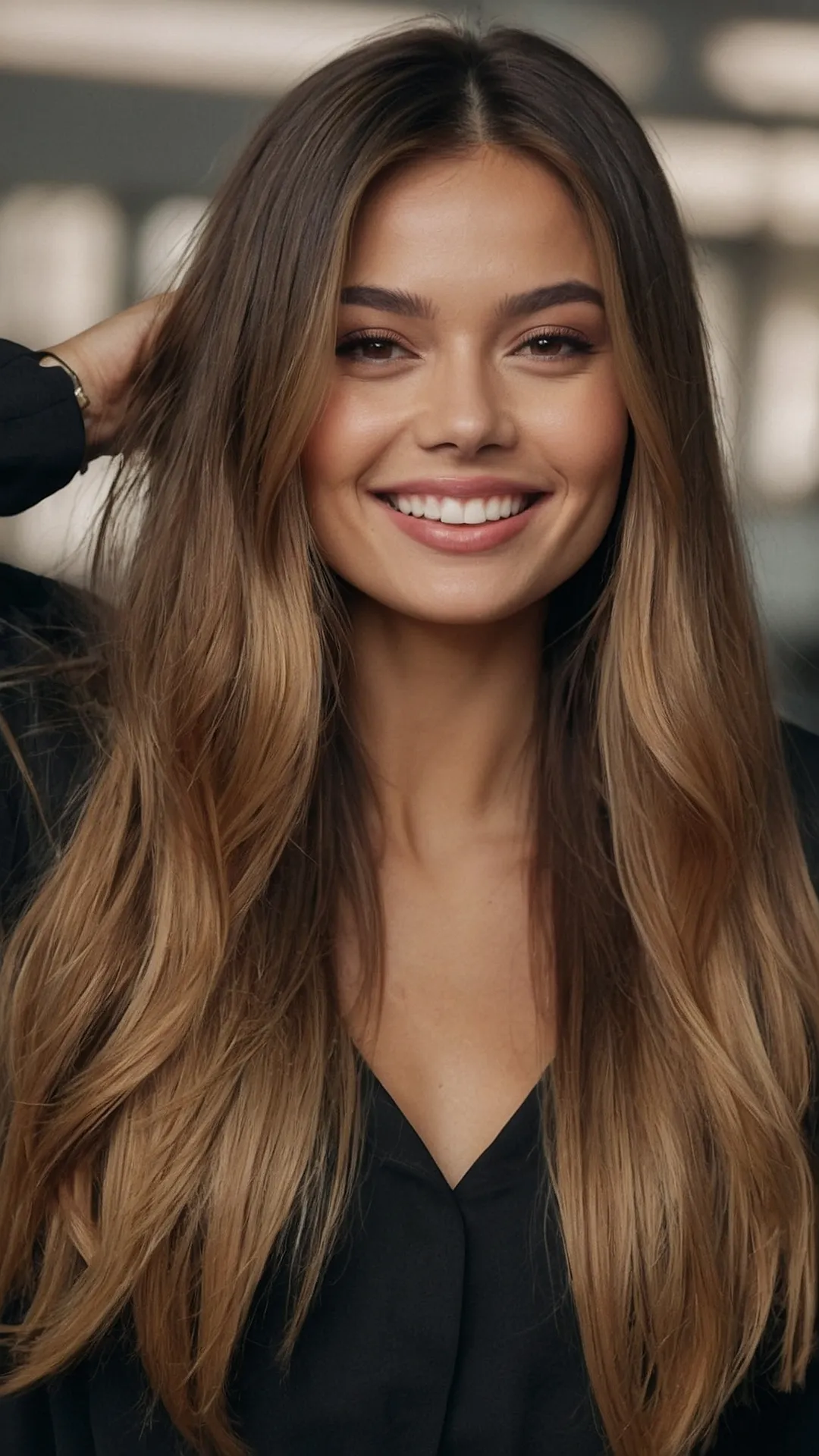
straight hair fashion - Sleek, glossy, and impossibly polished, straight hair fashion has become one of the most enduring style statements in the beauty world. From red-carpet events to everyday office looks, smooth strands signal confidence, elegance, and a certain modern minimalism. Whether your hair is naturally straight or you rely on styling tools to achieve that glass-like finish, mastering this trend is about far more than simply running a flat iron through your locks. It involves understanding your hair type, choosing the right products, and learning techniques that protect your strands while delivering that coveted mirror shine. This ultimate guide breaks down everything you need to know to make straight hair fashion work for you.
Table of Contents
Before you plug in any hot tool, it helps to understand why this look has staying power. Straight hair fashion draws on the idea that simplicity can be striking. Clean lines and smooth texture frame the face beautifully and reflect light in a way that makes hair look healthy and vibrant. Part of the appeal is versatility: a sleek blowout pairs equally well with tailored workwear and evening gowns, while a casual straight style feels effortless on weekends. If you enjoy experimenting with shape and movement, you might also explore Modern Shag Haircuts For Women to see how texture and layers can complement a smooth finish. The key is treating straight styling as a deliberate choice rather than a default, so your hair always looks intentional and polished.
Section 1: Basics
Building a strong foundation is essential for any hairstyle, and straight hair fashion is no exception. Start by assessing your natural texture and porosity, since fine hair and thick hair respond very differently to heat and product. A good cut also matters enormously; blunt ends create a cleaner line, while soft layers prevent flatness. If you are still deciding on a shape, browsing ideas like hairstyles for ladies bob can help you find a silhouette that suits your face and lifestyle. Once your cut is in place, focus on these fundamentals:
- Wash with a smoothing or hydrating shampoo to reduce frizz before styling begins.
- Apply a heat protectant serum or spray to damp hair, concentrating on mid-lengths and ends.
- Rough-dry hair to about eighty percent before reaching for a brush or flat iron.
- Use a boar-bristle brush to pull sections taut for a smoother finish.
- Work in small sections and never rush, since speed leads to uneven results.
Section 2: Advanced Tips
Once the basics feel natural, you can elevate your results with techniques that separate a good straight style from a great one. Professional stylists rely on a few clever tricks to create that salon-quality sheen, and most of them are easy to replicate at home. Consider these advanced approaches:
- Try the "chase method" by following the flat iron with a fine-tooth comb for ultra-sleek strands.
- Finish with a few drops of lightweight oil on the ends to seal the cuticle and boost shine.
- Set your style with a cool blast of air to lock in smoothness and prevent humidity frizz.
- Use a round brush and tension when blow-drying to create volume at the roots while keeping ends sleek.
- Invest in a quality flat iron with adjustable temperature settings to match your hair type.
- Refresh second-day hair with dry shampoo at the roots and a quick touch-up on the ends only.
Section 3: Common Mistakes
Even seasoned stylists can fall into habits that undermine the look, and avoiding these pitfalls will keep your hair healthier and your style sharper. Many of the most frequent errors relate to heat, timing, and product overload. Watch out for these common mistakes:
- Flat ironing soaking wet hair, which can cause severe damage and sizzling.
- Skipping heat protectant because you are in a hurry, leading to long-term breakage.
- Using the highest temperature setting regardless of your hair's thickness or texture.
- Applying too much product, which weighs hair down and creates a greasy finish.
- Ironing the same section repeatedly instead of making one clean, smooth pass.
- Neglecting regular trims, which leaves split ends that ruin a sleek silhouette.
- Ignoring humidity forecasts and skipping anti-frizz finishing products on damp days.


