Textured Bob Hairstyle
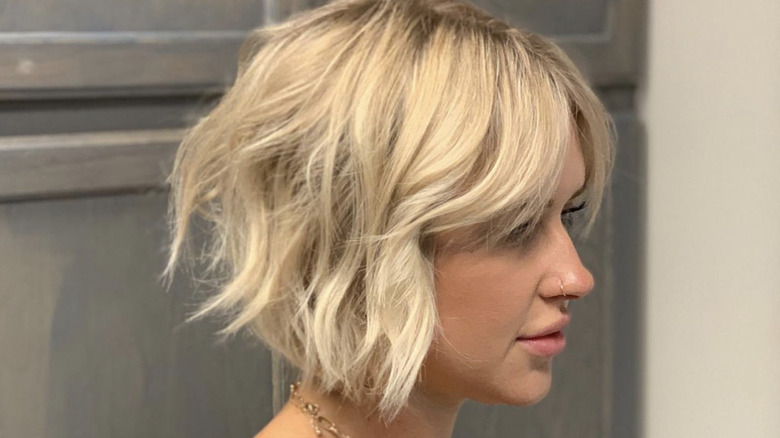
textured bob hairstyle - is one of those cuts that looks effortlessly cool on magazine covers and Pinterest boards, yet somehow turns into a shapeless helmet the moment you try it at home. If you have ever walked out of a salon loving your new chop, only to stare at a limp, frizzy, or overly poofy mess in the mirror two days later, you are not alone. The textured bob is everywhere right now, and for good reason: it is versatile, modern, and flattering on almost every face shape. But "textured" is doing a lot of heavy lifting in that name, and understanding what it actually means is the difference between a chic, piecey look and a triangular puff of regret.
Table of Contents
The Problem: Your Bob Looks Nothing Like the Photo
Here is the scenario. You saved a photo of a model with a choppy, lived-in bob that falls just below the jaw. You showed it to your stylist, they nodded enthusiastically, and you left the salon feeling great. Then you washed it. Suddenly the ends are flipping in five different directions, the crown is flat, and the whole thing reads more "school choir" than "Paris runway." This is the number one frustration people bring up about the textured bob, and it usually comes down to one of three culprits: the cut itself, your natural hair texture, or the way you are styling it at home.
The cut is the foundation. A true textured bob is not just a blunt bob with some thinning shears run through the ends. It relies on internal layers, point cutting, and careful weight removal so the hair moves and separates naturally. If your stylist gave you a one-length bob and called it textured, no amount of product will fix it. This is why browsing endless female short haircuts online can be misleading; two bobs can look identical in a photo but be structurally completely different. The good news is that once you know what to ask for, you can walk into any salon with confidence.
Why It Feels So Frustrating
What makes this so maddening is the gap between expectation and reality. Short hair is unforgiving. With long hair, a bad cut can be hidden in a ponytail or bun until it grows out. With a bob, there is nowhere to hide. Every uneven layer, every patch of missing volume, and every cowlick is front and center. Add in the fact that texture behaves differently on different hair types, and you can see why so many people give up and grow their hair back out.
There is also a styling learning curve. A textured bob demands a little more effort than a wash-and-go, but less than a full blowout. The trick is finding that sweet spot. Many people overcompensate by loading up on heavy pomades or waxes, which weigh the hair down and make it look greasy by lunchtime. Others skip product entirely and wonder why their hair falls flat. If you have been searching for answers and keep landing on advice meant for long hair cut routines, that is part of the problem too. Short textured hair needs its own playbook, and generic tips simply do not translate.
The Solution: Get the Cut Right First
Everything starts with the consultation. Ask your stylist specifically for a textured bob with point-cut ends and internal layers for movement. Bring photos, but also be honest about your hair type and how much time you are willing to spend styling. If you have fine, straight hair, you need lighter layering and maybe a slightly shorter length to keep the shape bouncy. If you have thick or wavy hair, you need more aggressive weight removal so the bob does not turn into a triangle. Curly girls should ask for a dry cut, which lets the stylist see how your curls actually fall.
Also, be clear about your styling routine. If you air dry and never touch a round brush, tell them. A good stylist will adjust the cut so it works with your life, not against it. The right cut should look good with minimal effort, and if it does not, speak up before you leave the chair.
The Solution: Master the Styling Routine
Once the cut is right, styling becomes surprisingly simple. Start with a lightweight texturizing spray or sea salt mist on damp hair, focusing on the mid-lengths and ends. Flip your head upside down and rough dry with your fingers to build volume at the root. This single step is what gives the bob that effortless, lived-in lift.
For the ends, use a small amount of matte paste or a texture clay, warming it between your fingers and pinching small sections to create that piecey, separated look. Avoid heavy gels and shiny pomades, which flatten the hair and kill the texture. If your hair tends toward frizz, a tiny drop of lightweight serum on the ends only will smooth things without weighing anything down.
Finally, invest in a good dry shampoo. A textured bob looks best on day two or three, when natural oils give it grip and hold. Dry shampoo at the roots keeps it fresh and adds even more volume. With the right cut and a five-minute routine, that choppy, cool-girl bob from your saved photos is absolutely achievable, and it will look even better in real life than it did on screen.


